Is Crypto Trading Legit At All
I get this question a lot: is crypto trading legit? Short answer: it can be, but the space is swimming with bad actors. I’m not a cop or a lawyer - just a regular person who read the reports and poked around. The truth is that some platforms are real and some are pure smoke. You gotta check before you trust.
When people ask me is crypto trading legit, I point them to the facts. In Hong Kong, police logged over 2,100 scam cases with more than HK$3.1 billion lost to these schemes. That’s a batshit amount of money stolen from regular people. The number shows the risk is real, but it doesn’t mean every crypto platform is a scam.
There are real firms using distributed ledger tech (DLT), and big banks in some places are testing it. So the tech itself isn’t a joke. The problem is the assholes who hide behind it. If you're trying to figure out crypto trading as a beginner , take your time and read on.
I try to keep my own view simple. A thing is legit if it follows the rules and lets you move your money freely. If it fails those basic tests, I call it suspect. The rest of this post walks through how to tell the difference without a headache.
What The Cops And Regulators Say
Regulators around the world treat crypto in different ways. Some welcome it, some fight it. The US SEC has investigated many token offerings over the years. Some were scams, but many were built by serious coders and math folks. The SEC says its job is to protect investors, which sounds good, but some builders feel the rules are too stiff.
The debate gets hot. Critics say old laws like the Howey Test don’t fit blockchain. Supporters say we need shields for normal users. I’m not picking sides, just saying you should know the fight exists. It affects which crypto platform in the US you can use safely.
The SEC maintains that its role is to protect investors, leading to tensions over compliance and enforcement.
In places like the UK and Switzerland, regulators try to help new ideas grow. They run sandboxes where firms test stuff under watch. That kind of approach makes me think legit trading can exist with the right rules. It also shows that not every government wants to ban the whole thing.
Mainstream financial institutions have started using DLT infrastructure in quiet ways. That tells me the backbone is seen as useful by serious money. But the public-facing exchanges still need a close look. You can’t just trust a logo.
Coffeezilla and experts test crypto legitimacy
How To Check If A Crypto Platform Is Real
So you found a site and want to trade. First step: check licenses. In Hong Kong, real platforms must register under anti-money rules with the SFC and HKMA. The SFC keeps a public list of licensed virtual asset trading platforms. If a site is not on that list, I’d walk away.
Two examples of licensed spots are OSL Exchange and HashKey Exchange. Those names show up on the SFC sheet. A crypto trading platform that hides its license info is a red flag. You want clear withdrawal steps and real customer support too.
Transparent ops matter. If the site shows you fees, has a working help desk, and lets you pull your funds without weird hurdles, that’s a good sign. DLT trading is a legit field with faster ops and lower costs when done right. I like to test a small withdrawal before I park big money.
Also look at who runs the place. Real companies list their team and office. If the about page is just stock photos and vague words, I get nervous. The license check is the hard proof though.
Licensed Platforms And Warning Lists
The SFC does more than list good guys. They also keep a warning list of suspicious activities. I check both before signing up anywhere. It takes five minutes and can save your savings.
What I look for on regulator sites
- License number matching the firm name
- Clear physical office address
- Warning list absence for the brand
- Public customer support channels
When you search for the best online crypto trading platform , don’t trust ad rankings. Go to the source. The SFC list is free and official. Same idea works in other regions with their own regulators.
I bookmark the warning page and peek at it now and then. Scammers spin up new names fast. A site that was clean last month could be flagged today. Staying safe means repeating the check, not doing it once.
Red Flags That Scream Scam
Now the part you shouldn’t skip. Scammers leave clues. I’ve seen the same tricks repeated. Here are five big ones pulled from the reports.
Five critical red flags
- Cannot withdraw funds despite showing a balance
- Demands extra payments tagged as taxes or admin fees
- Weird delays or repeat security checks beyond normal
- Fake sites with typo URLs like HashKeyExchnage
- Promises of high returns with zero risk
Unrealistic promises of high returns with no risk are hallmark scam tactics.
That last one makes me laugh because nothing in life is risk free. If a crypto trading platform tells you that, run. Also watch for lookalike domains. One letter off can steal your login. I always type the URL myself instead of clicking a link in a message.
Another clue is the lock. If your balance looks fine but every withdrawal hits a wall, that’s a fraudulent locking mechanism. Real platforms don’t hold your money hostage. Don’t fall for stories about frozen accounts needing gift card fees.
Why the author calls crypto a brilliant scam
Fake Recruiter Scams Targeting Crypto Folks
This one surprised me. Scammers pretend to hire crypto pros on LinkedIn or Telegram. They use fake domains and push for “training” or “equipment” fees. Real firms don’t do that.
Signs of a fake recruiter
- Unverified email addresses instead of company domain
- No official @kraken.com email for Kraken jobs
- Missing LinkedIn verification badge
- Pressure to act fast or share wallet keys
Kraken says real jobs are only on their official portal. I’d cross-check any offer. If they ask for your seed phrase, it’s 100% a scam. Never share keys or docs. That’s a hard line. Even a request for a copy of your ID should go through a secure portal, not a random chat.
REAL employment opportunities are exclusively available through their official jobs portal.
I tell my friends: if a recruiter slides into your DMs with a fat salary and a weird link, stop. Scammers bank on urgency. They want you flustered so you skip the checks. Slow down and verify the profile badge before you reply.
What To Do If You Get Burned
Okay, worst case: you sent money to a fake site. Act fast. Stop all transfers so you don’t lose more. Then collect proof: emails, screenshots, tx records.
Steps after a scam
- Stop all transactions immediately
- Gather evidence like emails and screenshots
- Contact legal guidance such as TITUS for reports
- Call Hong Kong Police or Anti-Scam Helpline 18222
Also file with the SFC if the platform looked regulated. For fake recruiter scams impersonating Kraken, use their official channels. I know it feels hopeless, but reporting helps others avoid the same trap. The helpline 18222 is there for exactly this mess.
If you used a bank card or exchange transfer, loop those firms in too. Speed matters. The longer you wait, the harder tracing gets. I keep a folder on my computer for any trade receipts just in case.
Crypto Trading Bots And Whether They Work
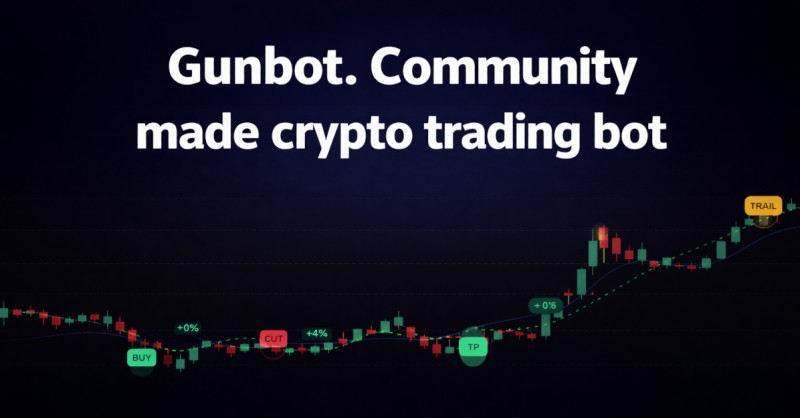
Bots are automated programs that trade for you based on rules. They eat market data like price and volume. Some folks swear by them, some lose cash. The truth is they don’t guarantee gains.
Common bot types
- Market-making bots that earn spreads
- Arbitrage bots capturing price gaps
- Trend-following bots riding moves
- Grid bots monetizing sideways ranges
Profit depends on market mood, your skill, and execution. High but orderly volatility can help. Risks include exchange downtime and hidden fees. When judging a crypto platform for bots , check if they allow non-custodial API so they can’t pull your funds.
No bot guarantees profits.
I’ve messed with paper trading first. That means fake money sim. It shows if the strategy makes sense before real risk. Backtesting and tracking KPIs matter too. A bot is a tool, not a money tree. If a seller promises set-and-forget riches, I close the tab.
Security Steps You Should Not Skip
Security is the boring part that saves you. Bots connect via API keys. I set those to trade only, never withdraw. Enable 2FA everywhere: exchange, bot dashboard, email. Use IP allowlisting if you can.
My security checklist
- API key with trade-only permissions
- Two-factor auth on all accounts
- IP allowlisting and subaccounts
- Rotate keys if something feels off
Keep software updated. Download only from known sources. Avoid phishing by typing URLs yourself. If you wonder how crypto actually works for beginners , start with these safe habits before any trade. A fresh password and a separate email for crypto goes a long way.
Deepfakes and AI profiles make trust harder. I cross-check info from multiple places before I believe a job post or a tip. Scammers forge voices and pics now. The old rule holds: if it seems too good, it’s bait.
Regulators Around The World
The US SEC uses the Howey Test to decide if a token is a security. Critics say it misses crypto’s nature. Projects like Kin, used in 40+ apps, fought that label. They even crowdfunded legal defense.
Meanwhile UK and Switzerland show other paths. They foster new tech with clear rules. DLT brings resilience and cost cuts, but legacy systems slow adoption. The future may reach banking, supply chain, and health, but only if the legal mess clears.
Critics argue it inadequately captures crypto’s unique traits.
I’m not sure who wins, but I watch which sites like Binance follow local law. That tells me if they’ll be around next year. A platform that jumps jurisdiction to dodge rules is a risk I avoid. Stable rulebooks help honest builders and users alike.
The talk about crypto as currency continues. Some say volatility kills it, others say it disrupts finance. I just note that scams and weak rules give critics ammo. Cleaner markets would help everyone who asks is crypto trading legit.
One week of beginner crypto trading documented
How Crypto Trading Actually Works For Newbies
If you’re new, you might ask how cryptocurrency trading actually works . Basic idea: you buy and sell tokens on an exchange. Price moves with supply and demand. You can hold or day trade.
When people ask me where they can day trade crypto , I say check licensed venues first. The mechanics are simple but the risk is real. Start small, learn the charts, don’t bet rent.
Manual trading gives you control but eats time. Automated enforces discipline but needs watch. Either way, define profit rules and scale slow. That’s my plain advice. A notebook of trades helps you see what works.
You also need a wallet plan. Some keep coins on exchange, some use own storage. Each has tradeoffs. The key is never sharing keys. I treat my seed phrase like a PIN to my bank vault, because it is.
Why Verification Matters To Me
I care about this because I’ve seen friends confused by shiny ads. Verifying a platform is not hard. It’s a few clicks on a regulator site. Yet many skip it and cry later.
The crypto trading platform you pick should show license info up front. If they dodge the question, that’s your answer. Trust actions, not promises. I’d rather trade less and sleep good.
My rule: no license check, no sign up. It’s that simple. The extra ten minutes has saved me from dumb losses more than once. You can’t undo a sent transfer to a fake site.
Common Bot Myths That Waste Your Time
People think bots are set and forget. Nope. They need oversight. Another myth: bots guarantee gains. False. They also don’t replace your brain. You still decide risk.
If a bot seller uses pressure like “limited offer” or referral pyramids, I skip them. Real providers show strategy docs and community feedback. That’s how I judge legit help. A clear terms of service and company details matter more than flashy pics.
I also hear folks say bots replace human judgment. They don’t. Market shocks still need a person to pull the plug. Circuit breakers and position sizing are still on you. Keep that in mind before you pay for any fancy tool.
Staying Safe Over The Long Haul
Never share passwords, PINs, or logins, and limit public profile details to prevent scammer reconnaissance.
Scammers use fear and greed. They push panic or dream deals. I remind myself daily: slow down. Check URLs letter by letter. Don’t reply to unknown messages. Limit public profile info so they can’t profile you.
Cross-verify info from many sources before investing. That goes for any US crypto platform or abroad. The question is crypto trading legit gets easier when you build these habits. Stay sharp, keep learning, and don’t let shiny promises fool you.
I keep a short list of trusted regulator links in my browser bar. When a new site pops up, I open that list before I open my wallet. It sounds basic, but basic kills most scams. The crooks rely on you skipping the boring step.










Comments on “Is Crypto Trading Legit? A Plain-Language Guide to Spotting Scams So You Don’t Lose Your Shit”
No comments yet. Be the first to share your thoughts.