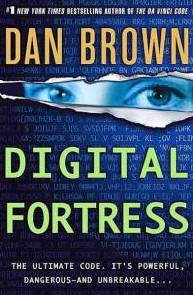
If the phrase 'number theory' makes you want to take a nap on the floor, this roundup of good books on cryptography is for you. From ancient code-making to quantum-proof math that will hopefully never be needed, we’ll help you pick a book that matches your brain’s current firmware (which, in my case, is a bit outdated).
Here’s the gist: private key encryption and public key encryption are not rivals. Stick them together and you get a setup where any stranger can lock a message with your public key, but only you-the proud owner of the matching private key-can unlock it. That’s what makes sending data around the internet both painless and not a total nightmare.
A crypto wallet is a digital tool that stores the keys needed to access your cryptocurrencies. It doesn't store crypto directly but keeps your private keys safe so you can send, receive, and manage your coins securely. Choosing the right wallet depends on your needs, but the basics are simple: secure your keys and keep them safe.
Cryptocurrency exchanges in the us can feel overwhelming if you're new, and honestly there's a lot to sort through. We cover what to watch for, how to spot the risky stuff, and what most people miss when they're picking a platform. Think of it as a plain-English guide to the basics.
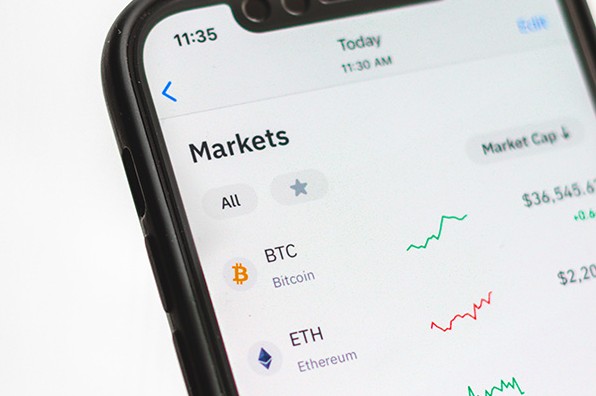
Here’s the thing: the best trading platforms for crypto aren’t right for everyone. Regular traders, bot users, scalpers, and options traders may need different tools, while large over-the-counter deals need extra care with custody, hidden costs, and slippage. Compare fees, security, liquidity, coin access, and user reviews to find your fit.
A wallet for cryptos can be software or hardware, and each handles your keys differently. Self-custody means you control the keys. Some software wallets are beginner-friendly and support several coins. Hardware wallets keep keys offline. Before choosing, check recovery, backups, device loss, and security support.
Here's the thing: a cold wallet keeps your private keys offline, which can lower the risk of hacking, phishing, malware, and exchange failures. But the best cold wallet for you comes down to your security needs, experience, coin support, and budget. Compare hardware wallets side by side, and don't sign a transaction you haven't checked.
Cryptocurrency production isn't just one thing - it covers how coins are created, validated, and distributed. You'll learn about mining, consensus mechanisms, and what keeps the whole system secure. Whether you're curious about how to produce cryptocurrency yourself or just want to understand how it works, this breakdown covers the essentials without the jargon.
A seed phrase is a 12 or 24-word string that acts as the master key to your crypto wallet. We’ll walk through how does a seed phrase work, why it’s your only way to recover funds, and some dead-simple tips to store it so you don’t permanently lose everything.
Whether you're new or experienced, using a cryptocurrency exchange in the US comes with real risks and real rewards. Regulation is still shifting, security breaches happen, and the gap between promise and reality is wide. We cover the basics - safety, fees, trading options, and what to watch for - so you can make informed choices without the hype.
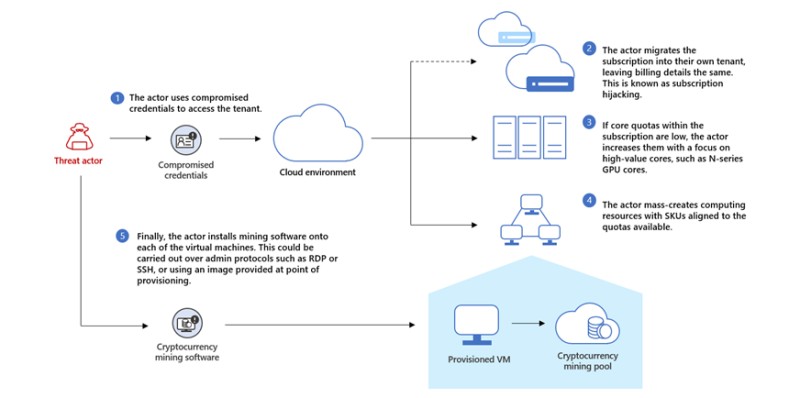
A crypto currency miner is any tool or setup that validates transactions and earns cryptocurrency - from a GPU in your basement to huge cloud operations. We break down how mining works, what hardware you need, the costs involved, and how attackers abuse it through cryptojacking.
If you’ve ever wondered is crypto trading legit, this guide drags out the red flags, shows you how to check licensing (hi, Hong Kong SFC), and gives you dead-simple steps to keep your funds safe - all in plain language you can read in one coffee break while silently judging everyone else.