Why I’m writing about the top cryptocurrency exchange platforms (after staring at a crypto app like a caveman)
Ever stared at a crypto app like a caveman? I have. You open it, see a bunch of weird words, and immediately worry you’re about to send your life savings to a scammer. So I put together some notes on the top cryptocurrency exchange platforms and what to check before you sign up. This is for regular folks, not crypto bros (I’m a regular folk).
If you’re in the states, you might search for best US cryptocurrency exchanges and immediately get lost in a swamp of ads. I want to cut through that swamp. The goal is simple: help you pick a place to buy crypto that fits your style and doesn’t bankrupt you. I’m just one person who read a lot of source material so you don’t have to.

The types of crypto exchanges you should know about
There are a few kinds of places where you can trade these coins. The main split is between centralized, decentralized, and peer-to-peer. Knowing the difference saves you a lot of grief later. Each type handles your money and your ID in a slightly different (and sometimes terrifying) way.
Main exchange types
- Centralized exchanges (CEXs) – companies that run the show and hold your coins (so they’re in charge, not you)
- Decentralized exchanges (DEXs) – apps on a blockchain where you keep control (no middleman, just code)
- Peer-to-peer (P2P) exchanges – direct trades with other people, often with escrow (like Craigslist but for crypto)
CEXs are like normal brokerages. You give them your ID and buy with dollars. DEXs use smart contracts and your own wallet. P2P is less common now but still works for discreet trades. I’ll break each down more below, because that’s what we do here.
Self-custodial wallets come with their own potential problems – losing access means losing your assets permanently.
Ryan Scribner ranks seven exchanges for 2026
Centralized exchanges explained (aka the ones that hold your coins)
A CEX is a for-profit company. In the US you have to submit KYC info: name, government ID. Then you can buy crypto with ACH or wire. The company controls whatever coins you store on it. That brings counterparty risk (i.e., they could theoretically vanish with your stuff) but also possible insurance like FDIC.
The safest part is they often have beginner-friendly screens and an actual support team. If you’re new, a CEX is where most people start. Just remember the coins aren’t truly yours until you move them to your own wallet. Some CEXs let you withdraw to self-custodial wallets, but any crypto left on the site is under their control (creepy but true).
Traders face counterparty risk, meaning the company could fail (rip). But they may qualify for insurance protections. CEXs typically offer the most beginner-friendly interfaces and give access to a customer support team if you have questions. That’s a trade-off I can live with when starting out.
Decentralized and peer-to-peer options
DEXs drop the middleman. You link your self-custodial wallet and swap coins straight from the protocol. No KYC, no insurance. Bugs and hacks are real risks, though. Many DEXs use liquidity pools filled with user-deposited coins to supply trades (it’s like a communal pot of coins).
P2P exchanges let you trade direct with others. Many hold funds in escrow until both sides do their part. Not as popular as before, but they give privacy. I’d say only use these once you know the ropes. Losing wallet access on a DEX means permanent loss, so back up your keys (please).
The biggest benefit of using a DEX is that there's no risk of counterparty interference since users send and receive digital assets directly.
DEXs don’t have insurance like CEXs. Self-custodial wallets come with their own problems. But for folks who want no third party, it’s the way. P2P forums let you set terms for transferring crypto and fiat online or in person. Extra security comes from escrow holding assets until both parties fulfill the deal (nice).
What to check before you sign up
Don’t just pick the first app you see. I made a list of things to look at. These help you tell exchanges apart and find your fit. Use this as a way to distinguish between platforms (revolutionary, I know).
Features to compare
- Regulatory compliance – US exchanges must meet security and state rules (the unglamorous backbone)
- Security – long clean history, 2FA, proof-of-reserves (don’t skip this)
- User friendliness – simple screens so you don’t misclick and send your life away
- Fees – trading, withdrawal, deposit charges can eat profits (the silent killer)
- Supported cryptocurrencies – more coins isn’t always better (sometimes it’s just more junk)
- Liquidity – active orders fill fast at quoted prices (so you’re not stuck)
- Customer support – someone to call when stuff breaks (shocking concept)
Regulatory compliance matters because CEXs can’t operate in the US unless they meet high security standards nationally and internationally. Some states have stricter requirements (looking at you, New York). If a CEX trades on a public exchange like Nasdaq, SEC regulations demand more transparency. DEXs and P2P don’t face those external standards.
Security should include a long history with zero exploits. Look for two-factor authentication and proof-of-reserves. User friendliness means a simple UI/UX so you avoid costly misclicks (we’ve all been there). Fees come as commissions, spreads, maker/taker. Sneaky charges on withdrawals or payment methods hurt. Supported coins: if you want small-cap projects, find exchanges that list niche altcoins early. Liquidity keeps orders filled near quoted price. Customer support: test live chat or read Reddit but take with a grain of salt (Reddit lies).
Regulatory compliance and KYC in the US
In America, centralized exchanges can't operate unless they meet high security standards. Some states are stricter. If a company trades on Nasdaq, SEC rules add more transparency. DEXs and P2P skip external regs.
If you wonder which crypto platform is best in the USA , start with compliance. A platform that ignores rules is a risk. Coinbase, Kraken, Gemini are public or state-compliant. KYC means you submit name and government ID to comply with federal rules. That’s a hassle but keeps bad actors out (supposedly).
Know-your-customer info is needed for CEXs in the United States. It includes your name and government ID. Once approved, you can buy crypto with fiat using ACH or wire. This federal regulation is not optional for centralized spots (sorry).
Coinbase: the big name with pros and cons
Coinbase started in 2012. It has a long record of compliance and strong security. Lots of altcoins and an easy app. They also offer staking, stocks, and a crypto debit card. It’s the largest US-based exchange by volume and active accounts (not nothing).
But fees are high and complex. They had a data breach in 2024. Priority support costs extra via Coinbase One subscription. Some users complain of slow help on Trustpilot and BBB. Still, many call it the best crypto exchange to invest in for beginners (I see why, despite the fees).
Coinbase quick pros and cons
- Pros: long compliance history, strong security, large altcoin selection (the good stuff)
- Pros: intuitive app on mobile and desktop, extra services like staking (nice)
- Cons: high and complex fee schedule, data breach in 2024 (the not-so-good stuff)
- Cons: 24/7 priority support only with paid subscription, slow service complaints (annoying)
Coinbase is the largest U.S.-based exchange in terms of trading volumes and number of active user accounts.
The company went public, first major crypto exchange to do so. Account limits depend on verifications added, account age, purchase history, payment method. In the US you add SSN. That’s the trade for using a big name (papers, papers, papers).
Scribner's trading-focused take on seven platforms
Binance.US and other Binance-related platforms
Global Binance is the largest exchange by volume, but it doesn’t operate in the US. Americans get Binance.US. That one follows US federal laws and has low fees, even 0% for some pairs. It lists 190+ coins (a lot).
Not available in every state, and no phone support. The UI can be rough. If you look for sites like Binance , Binance.US is the legal cousin. Other blocked ones include KuCoin and Gate.io. Binance global is still the largest crypto exchange globally, but US users can’t use it direct (sad trombone).
Binance.US quick pros and cons
- Pros: highly regulated, competitive fees as low as 0% for some pairs (cheap, yay)
- Pros: staking rewards in select areas, 190+ cryptocurrencies (variety)
- Cons: not in every US state, lacks derivatives and margin of flagship (limited)
- Cons: no FDIC insurance on USD, tough UI, no phone support (rough edges)
Binance itself has three verification levels: Basic needs name, address, DOB, nationality with $300 limit. Intermediate needs ID doc. Advanced needs proof of address. That shows even big names tier their users (shocking).
Kraken and its long track record
Kraken has been around since 2011. It offers advanced charting and margin on Kraken Pro, plus stocks alongside crypto. Support is 24/7 with phone. Good for serious traders. It’s one of the longest track records in crypto (ancient by crypto standards).
Cons: not in every state, focuses on advanced crypto traders, and Instant Buy has a 1% flat fee plus spreads. No FDIC on USD. I like that you can buy crypto and stocks on Kraken in one place. Kraken verifies via four tiers: Starter, Express, Intermediate, Pro.
Kraken quick pros and cons
- Pros: long track record, advanced charting and margin on Pro (for nerds)
- Pros: stocks alongside crypto, 24/7 phone support (rare!)
- Cons: not in every state, leans to advanced users (not for newbs)
- Cons: 1% flat fee plus spreads for Instant Buy, no FDIC on USD (costs add up)
Kraken is a U.S.-based crypto exchange that was founded in 2011 and offers 50+ tokens.
For Kraken verification, all accounts require email, full name, DOB, phone, address. Except Starter, employment info and SSN for US customers. Intermediate and Pro need valid ID, proof of residence, face photo. Pro adds KYC questionnaire (fun!).
Gemini and Robinhood compared
Gemini has passkeys, SOC/ISO certs, and complies in all 50 states. It’s Nasdaq-listed, so SEC rules apply. Beginner-friendly app. Downside: fewer altcoins, lower volumes, high convenience fees (the usual trade-off).
Robinhood gives zero commissions on stocks, options, ETFs, and crypto. Publicly traded, FDIC on USD, mobile friendly. But it had outages and an AML fine. Limited coins and weak support complaints. Some folks ask if you can buy crypto with an Apple credit card – Robinhood takes cards but check each platform’s methods (because of course it varies).
Gemini quick pros and cons
- Pros: multiple security measures, high compliance in all 50 states (solid)
- Pros: SEC compliance as Nasdaq-listed, beginner-friendly UI (easy)
- Cons: limited altcoins, phone support only for credit card (weird)
- Cons: lower volumes, high convenience fees for instant buy (pricey)
Robinhood quick pros and cons
- Pros: zero commissions on stocks, options, ETFs, crypto (free-ish)
- Pros: publicly-traded, FDIC insurance on USD, mobile interface (handy)
- Cons: history of outages, AML fine, limited altcoins (risks)
- Cons: many complaints of lackluster support on Trustpilot (ugh)
Gemini only offers phone support for the Gemini credit card. That’s a weird limit (thanks?). Robinhood’s crypto support may have changed over time; one old article said it didn’t support crypto, but the newer source shows it does. Always check current status (things move fast in crypto land).
Other platforms for day trading
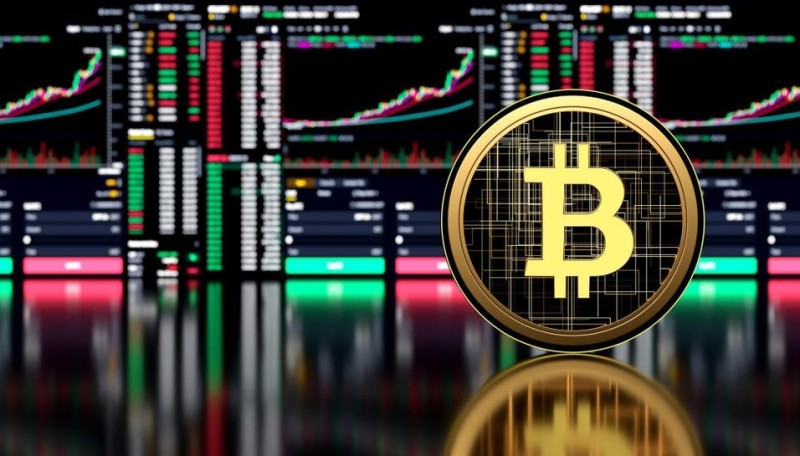
When you want fast trades, Binance and Kraken show up a lot. BitMEX specializes in margin trading with high leverage but high fees. Coinbase is fine for newbies. These are common trading platform for crypto picks (your mileage may vary).
Robinhood appears in some old lists but one source says it didn’t support crypto at the time. Today it does, so verify current status. Day trading is risky; margin can lose more than you put in (yikes). BitMEX offers high leverage and many pairs but fees are high. Kraken since 2011 is popular for low fees and day trades.
Choosing the right exchange can make a huge difference in terms of security, fees, and trading features.
Tools help day traders: technical analysis charts, trading bots, portfolio apps, news resources. Test platforms with trial accounts before committing. Relate your trading goals and style first. Security track record and insurance matter. Fees and features differ. That’s true for any trading platform for crypto (or any platform, really).
How identity verification works on top exchanges
KYC is a pain but needed. Coinbase asks phone, personal details, photo ID, and SSN in US. Kraken has tiers: Starter, Express, Intermediate, Pro. Each needs more info like ID, proof of residence, face photo (the usual mugshot).
Binance has Basic, Intermediate, Advanced levels with limits. Bitfinex and OKEx similar. OKEx lets deposit and trade crypto without ID, but withdrawals over 10 BTC need verification. This shows cryptocurrency exchange top 10 lists all enforce some ID. Electronic ID verification is first step, then document check for higher value (bureaucracy!).
Verification steps seen across platforms
- Coinbase – phone, details, photo ID, SSN for US, limits by verification (standard)
- Kraken – email, name, DOB, phone, address; more for higher tiers (escalating)
- Binance – name, address, DOB, ID doc, proof of address for advanced (stepwise)
- Bitfinex – email only for basic crypto trading, ID for fiat, 18+ age (minimal)
- OKEx – nationality, name, ID number, photo ID, facial check (biometric)
Bitfinex founded 2012, world’s largest by volume for BTC against USD at one point. Basic account only needs email to deposit, trade, withdraw crypto. Intermediate needs second photo ID and proof of address. Full adds financial statement. OKEx founded 2014, serves millions in 100+ countries, needs ID for fiat buys or large crypto withdrawals (the world is wide).
Identity verification procedures, if not properly automated, slow down customer onboarding, resulting in customer abandonment and lost revenue.
Features users expect from modern exchange platforms

I read about what people want from a good top cryptocurrency exchange platforms experience. Security first: multi-factor, biometric, cold storage, multi-sig. Then speed: low latency order fills, support for spot, margin, derivatives (zoom zoom).
They also want clean mobile apps, cross-chain support (Ethereum, Solana, Polygon, BNB Chain), and AI tools for fraud detection. Extras like staking, lending, NFT markets, and real-world asset tokens matter. Advanced charts help too. Exchanges act as bridge between buyers and sellers (profound, I know).
Expected features
- Enterprise-grade security and compliance with MFA, biometrics, cold storage (lock it down)
- High-performance trading engine with fast execution, low latency (speedy)
- Intuitive UI/UX and mobile experience with real-time charts (no misclicks)
- Cross-chain and multi-asset support across blockchains (versatile)
- AI-powered analytics for fraud detection and risk management (smart)
- Value-added services beyond trading like staking and NFT markets (extras)
- Real-world asset integration for tokenized items (fancy)
- Advanced trading tools with interactive charts and analysis (for pros)
Security is non-negotiable per source. Multi-factor authentication, biometric logins, cold storage, multi-signature wallets protect funds. Full KYC/AML builds trust. High-performance engine supports spot, margin, derivatives and handles high volume. Clean dashboards keep users engaged. Cross-chain bridges make trading versatile. AI can detect fraud and send alerts. Value-added services maximize experience (whew).
MoneyZG compares fees, cards, and earn rates
White label software if you want to build one

Maybe you don’t want to use an exchange, you want to run one. White label crypto exchange software gives you a ready toolkit. You customize brand and go live fast. It’s like renting a furnished apartment in the blockchain world (cool metaphor).
Top solutions include PayBitoPro, B2Broker, Antier, AlphaPoint, ChainUp. They offer security, liquidity, UI, compliance modules. Good for startups that value speed over building from scratch. You get trading engines, liquidity integrations, security frameworks without building yourself (lazy but efficient).
White label options mentioned
- PayBitoPro – multi-currency, SegWit, multi-sig wallets, KYC/AML (full package)
- B2Broker – turnkey, cold storage, fraud detection, custom UI (neat)
- Antier Solutions – spot, margin, staking, audits, firewall (secure)
- AlphaPoint – fast matching, market-making, custody, global reach (wide)
- ChainUp – spot, OTC, futures, 50k TPS engine, DDoS defense (fast)
White-label means you rent fully-furnished platform. Save time: launch in weeks. Save money: skip custom build cost. Leverage expertise: pre-built compliance and liquidity. But customization limits exist if you want Apple-level bespoke. Security risks if vendor bad. Regulatory compliance must match your region (obviously).
Key features to look for: two-factor auth, multi-sig, cold storage, DDoS protection. Liquidity via market makers for tight spreads. User interface separate for novice and pro, mobile friendly. Compliance with KYC/AML modules, region specifics, audit trails. Custom branding with logo and colors. These essentials create secure compliant platform (checklist complete).
Cheap crypto exchange and fee talk
Fees vary a lot. Binance.US can be 0% on some pairs. Robinhood zero commission. But watch sneakier costs. A cheap crypto exchange might charge on withdrawals or card buys (the sneaky bastards).
If you’re hunting a cryptocurrency exchange top 10 list for low cost, compare total burden. Maker/taker fees, spreads, deposit methods. Don’t get eaten alive by small print. Commissions, spreads, maker/taker are primary CEX money makers. Look for percentage charges on withdrawals, deposits, payment types (the fine print is where they get you).
Some places have high convenience fees for instant buy and sell. Gemini and Coinbase fall here. Kraken Instant Buy 1% flat plus spread. Binance.US low. Robinhood zero commission but limited coins. Your job: calc total fee before trading size (adulting).
Keeping your coins safe after buying
Once you buy, think about custody. Coins on a CEX are under company control. Move them to your own wallet if you want true ownership. Losing wallet keys means losing coins forever – no support can save you (terrifying).
Hey, don't skip this part: self-custodial wallets mean you are your own bank, scary but real.
Insurance like FDIC exists on some USD deposits at Robinhood and others, but not on crypto itself. Use 2FA, proof-of-reserves checks. Scammers love newbies, so verify addresses twice (seriously). Any crypto stored on a CEX is under the company’s control, and you face counterparty risk. But insurance protections may apply to USD parts.
DEXs remove counterparty risk but hacks happen. P2P escrow helps but still discreet. The safest path for long hold is hardware wallet offline. I’m not telling you to panic, just be smart. Don’t leave large sums on exchange longer than needed (this is the part where I say be careful).
Tax stuff and tracking your trades
Buying crypto isn’t a taxable event in the US. Selling is – IRS treats it as capital gain or loss. A service called CoinTracker can link to 500+ exchanges to compile transfers and calc taxes. I haven’t tried it but the info says it works (maybe one day).
You can import data into IRS-compliant forms. Not tax advice, just what I read. Track your portfolio across wallets to stay sane. This is where a trading platform for crypto plus a tracker helps. CoinTracker says three million users rely on it. Disclaimer: informational only, not tax advice (don’t @ me).
Managing your crypto assets shouldn’t be complicated.
The IRS treats crypto sales as disposals. If you made money, capital gain. If lost, capital loss. Keep records from first purchase to tax report. Linking exchanges to tracker gives real-time compile. That saves headache in tax season. Always consult a tax pro for your case (not me, I’m a blogger).
My quick take on picking your platform
I’d start with a compliant CEX in your state. Coinbase or Kraken for most. Gemini if you want strict security. Binance.US for low fees if available. Robinhood for simple mobile buys (easy peasy).
For the best crypto exchange to invest in , match your style: need stocks too? Kraken. Need many coins? Coinbase. Want cheap? Binance.US. And always learn the Fidelity trade crypto option? Fidelity isn’t in our source list but some search for it; check if they offer crypto in your area (could be a thing).
That’s my notes. Not a pro, just a person who read a lot so you don’t have to. Stay safe, double-check links, and don’t send coins to strangers. The top cryptocurrency exchange platforms are tools, not magic. Pick one, learn it, then expand. If you want to build your own, white label exists. Either way, keep your keys safe (seriously, keep your keys safe).









Comments on “Where to buy crypto: A mildly obsessive look at the top cryptocurrency exchange platforms (from a guy who stared at the app like a caveman)”
No comments yet. Be the first to share your thoughts.