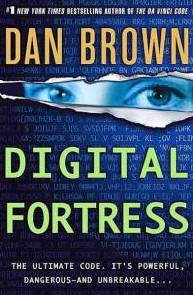
If the phrase 'number theory' makes you want to take a nap on the floor, this roundup of good books on cryptography is for you. From ancient code-making to quantum-proof math that will hopefully never be needed, we’ll help you pick a book that matches your brain’s current firmware (which, in my case, is a bit outdated).
Think of a blockchain as a shared notebook without a central owner. Transactions and other data are grouped into blocks, linked together, and spread across computers in a network. Encryption helps protect the record. Blockchain technology is the basis for cryptocurrencies, and it can support financial and non-financial uses.
No need to wander the crypto forensics woods alone. (I mean, you could, but it's dark out there.) We'll walk through how a cryptocurrency investigation certification can help you spot risks, get decent at DeFi investigations, and use blockchain intelligence to catch illicit activity - basically a flashlight for the weird world of crypto crime.
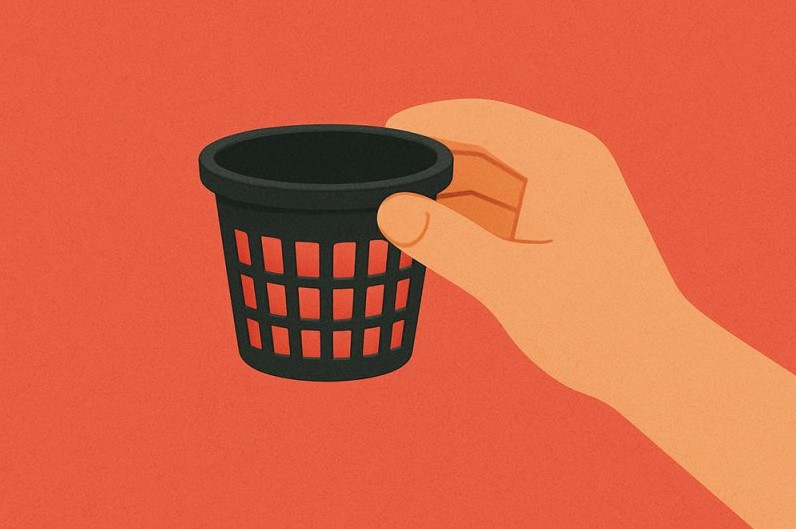
Think of NFT hydroponics as a very thin river for plant roots. A basic build uses sloped channels, a reservoir, a pump, and net cups, with nutrient solution moving through it continuously. You'll also see how to manage the solution, check a setup with sensors and a Raspberry Pi, and weigh NFT against flood and drain, deep water culture, and Kratky.
If you're wondering what cryptocurrency is, here's the simple version: it's digital money or a digital form of value. It can be used to trade or hold value, while encryption and blockchain records help track transactions. Bitcoin is one famous example. You'll also see why cryptocurrency and blockchain aren't the same thing, plus the risks and legal rules to consider.
I break down what makes a crypto site not-terrible, share my top picks for market updates, research tools, and breaking news, and give you a quick checklist to filter the hype. With the best crypto websites in your pocket, you’ll read smarter, not harder.