Cryptocurrency investing can mean buying a coin, following a trend, or putting funds in a self-directed retirement account. That’s a lot of very different boxes. No matter what you call crypto, check the risks, question the hype, and make sure the method fits your plan.
Connecting your coinbase exchange account to the Base app sounds like it’ll require a cryptography PhD, but it’s actually just a way to sling funds fast, collect stablecoin rewards, and stay in the driver’s seat on trade execution. We’ll walk the steps, the safety stuff that matters, and the gotchas, so you can trade without sweating (much).
Confused about where to buy crypto? We walk through the main ways people get started - exchanges like Wirex or Binance, prepaid cards via BitPay, and self-custody tools like Topper. You'll see what each needs from you, what fees to expect, and how to avoid common beginner mistakes. No jargon, just the practical stuff you need to decide.
You don’t need to hold your own keys or become a custody expert to get some exposure. We explain how ETFs with cryptocurrency let you track coin prices through regulated funds, the spot-vs-synthetic showdown, and how to actually add them to your portfolio without spontaneously combusting.
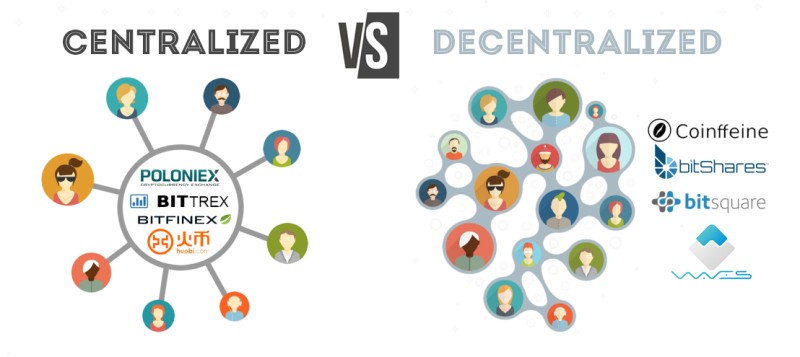
Crypto trading on a decentralised exchange puts you in a peer-to-peer market rather than one run by a single company. You use smart contracts to trade with other users, usually with tokens held in your wallet. Here's how that compares with centralised exchanges, and why liquidity matters.
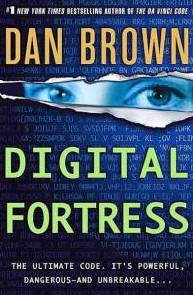
If the phrase 'number theory' makes you want to take a nap on the floor, this roundup of good books on cryptography is for you. From ancient code-making to quantum-proof math that will hopefully never be needed, we’ll help you pick a book that matches your brain’s current firmware (which, in my case, is a bit outdated).
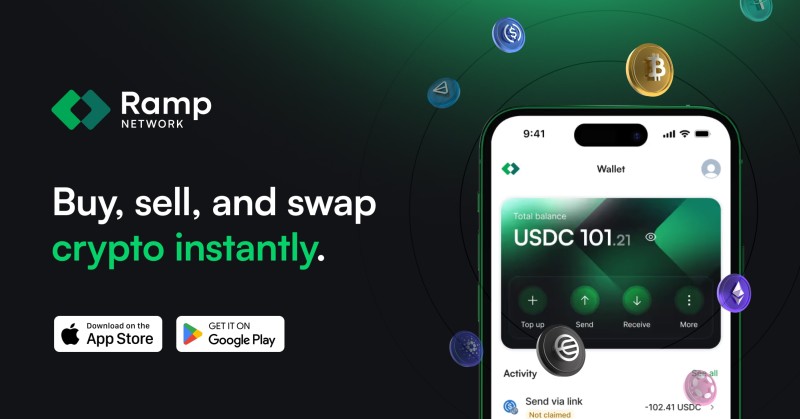
Best place to purchase cryptocurrency can depend on how you want to pay and what you're buying. Coinmama lets you buy with a credit card or bank transfer. BitPay works with prepaid cards. Ramp Network connects to self-custodial wallets. Accuplan offers a crypto trading option without a traditional exchange. Here's the thing - compare fees, payment methods, and security before you pick one.
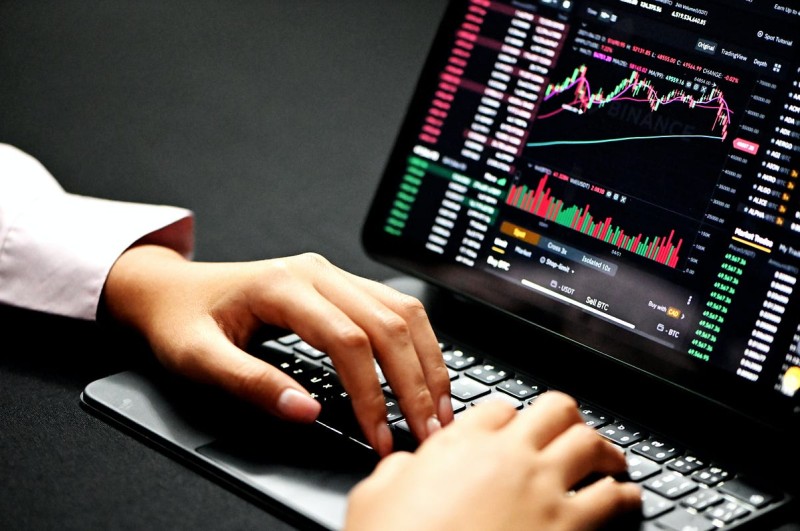
Get the latest crypto coins news today from our expert analysis. We cover everything from Bitcoin's price dips and major liquidations to blockchain developments and market trends. Whether you're tracking price swings or exploring new projects, our guides help you navigate the fast-moving crypto space.
Here’s the gist: private key encryption and public key encryption are not rivals. Stick them together and you get a setup where any stranger can lock a message with your public key, but only you-the proud owner of the matching private key-can unlock it. That’s what makes sending data around the internet both painless and not a total nightmare.
A crypto wallet is a digital tool that stores the keys needed to access your cryptocurrencies. It doesn't store crypto directly but keeps your private keys safe so you can send, receive, and manage your coins securely. Choosing the right wallet depends on your needs, but the basics are simple: secure your keys and keep them safe.