Why I Looked at Crypto Platform USA Options
I spent an embarrassing amount of time squinting at fee charts and license numbers - the kind of activity that makes you question your life choices. As I said in the little description up top, I wanted a sane way to find a crypto platform USA that fits my style. You don’t need to be some silicon wizard to land on a solid pick. I dug into usability, supported coins, fee weirdness, and security theater so you can see clearly without your brain melting.
When you search for the best us cryptocurrency exchanges everyone yells about , the list can feel like a maze. The long title asks how to pick a crypto platform USA that won't make you want to eat your phone - which is exactly how I felt after reading the fine print from a dozen sites, like a person slowly losing their mind. So I broke things down into plain bits. Below I talk about a few names that showed up in my research, from ZetaChain to Robinhood and Bitstamp.
ZetaChain and the Made in the USA Tag
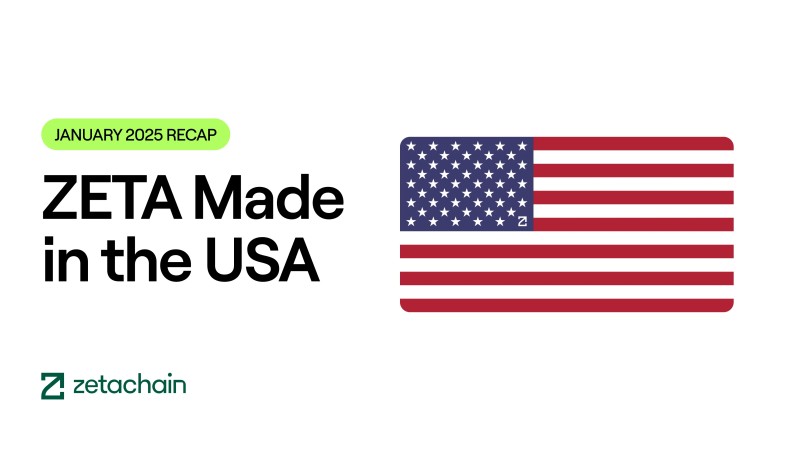
ZetaChain calls itself the first Universal Blockchain with native access to Bitcoin, Ethereum, Solana, and more. CoinMarketCap named it a top American crypto project in a 'Made in the USA' list. That caught my eye because a crypto platform USA label can mean like six different things depending on who you ask. Here it means the project wants to advance blockchain links and growth inside the United States - their mission is to make crypto as open and connected as the internet, which is a nice dream I guess.
They built a Universal EVM so devs can make apps that work across chains from one spot. I like the idea of not hopping between ten wallets like a crazy person. It also got called a private memory layer for AI, which is a weird but interesting twist - like giving your crypto a brain? The chain supports a user-owned base for memory, identity, permissions, payments, and agents. That’s a lot of big words for a simple goal: one place to rule your crypto life, which sounds slightly dystopian but okay.
ZetaChain updates I noted
- Something like 100+ people showed up to a San Francisco kickoff event co-hosted with BNB Chain, and reps from Berkeley and Penn Blockchain Club gave talks.
- Google Cloud rolled out a free test ZETA faucet for devs and also joined as a validator, presumably to help innovation happen.
- They shipped a Gateway tech upgrade that helps devs deploy Universal Apps across any chain, including Bitcoin (yes, that Bitcoin).
- Weekly active users grew 108% on DappRadar, and some app called Eddy Finance hit a wild 2,000% growth.
- There are over 38,000 dapp contracts floating around, and dev activity jumped 1,400% per Chain Broker.
- Universal Tokens went live so creators can issue cross-chain assets and manage liquidity in one spot, which is the dream.
- stc Bahrain partnered to secure the chain under a Web3 Launchpad Program in the Middle East (because why not).
- The first native BTC-backed stablecoin, bitSmiley, launched on testnet with no bridging or wrapping tokens - which sounds refreshingly simple.
One more thing: ZetaChain says it blew past 165 million transactions within a year of launch. Coinbase listed ZETA as a day-one asset, which shows some real usage, not just white-paper fairy tales. A hackathon with Coin Terminal promised $1,000,000 to an AI crypto winner, pulling in 500K+ users from that launchpad. ZetaChain also threw a Taiwan event with Solana and sponsored a block at a Denver Web3 conference. They’re hiring devs and contributors in San Francisco and NYC, which tells me the work is continuing whether I understand it or not.
ZetaChain is the first Universal Blockchain with native access to Bitcoin, Ethereum, Solana, and more.
Seven platforms compared for 2026 trading
Bitstamp by Robinhood Simple and Pro Modes
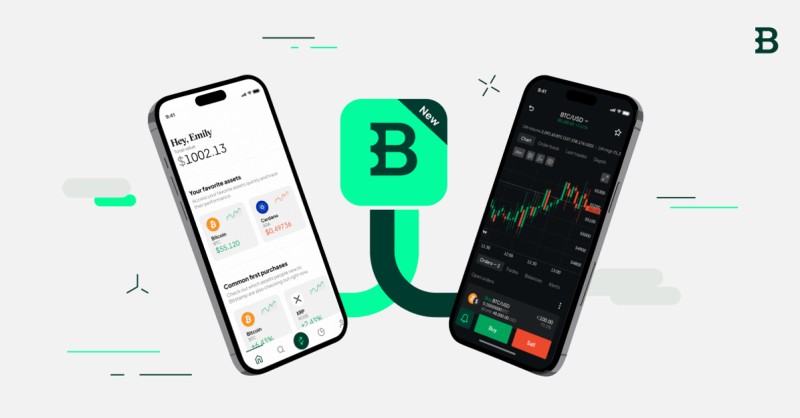
Bitstamp by Robinhood merged two old apps into one. You get Basic and Pro modes in a single place, which matters when you want a crypto platform USA that grows with you like a weird digital plant. If you just want to buy quick, Basic is there. If you trade all day like a caffeinated owl, Pro gives charts and order types. The merge means you no longer pick the wrong icon by mistake, which used to be my personal nightmare.
Basic mode is for buying crypto fast, secure, and at the price you see - no frills, no confusing knobs to turn. Pro mode is for seasoned traders who want real-time charts and many order types. Switching is just a tap, which is nice and modern. If you used the old Pro app, you just update and log in with your old details. If you used the old app, you download the new one and your assets are safe, because of course they are.
What Bitstamp USA Inc provides
- Licensed by the New York State Department of Financial Services for virtual currency business (aka they have the paperwork).
- Registered as a Money Transmitter with NMLS number 1905429 (a number you can look up if you're into that).
- Registered address in Menlo Park, California, United States - sunny California.
- Risk warning: don't invest unless you can lose all the money you put in (they're not kidding).
- Virtual currency services to US residents handled by Bitstamp USA, Inc. under NY rules.
- Crypto derivatives trading not available to customers in the US, Canada, Japan and some other countries (sorry derivatives fans).
That last point is key for your average cryptocurrency trading platform because many folks expect derivatives by default, like it's a given. Bitstamp also has sister firms in Luxembourg, UK, BVI, and Singapore, but those serve other regions. The US arm is the one with the NY license. I feel better when a platform shows its legal bones up front instead of hiding them in a basement.
Don’t invest unless you’re prepared to lose all the money you invest. This is a high-risk investment and you should not expect to be protected if something goes wrong.
Robinhood Crypto Suite for US Users
Robinhood unveiled a set of new products that reach across the pond and back. They talk about crypto becoming the backbone of the global financial system, which is a big claim. For us in the US, the useful bits are staking, stock tokens (for EU only), and a Layer 2 chain. I care more about the US side, but the plan shows where things are headed. The chairman said the new offerings lay groundwork for crypto to back the world's money flow, which sounds like a sci-fi movie.
The actual features are concrete, not just vapor. They expanded to many EU countries with stock tokens. In the US, staking starts with Ethereum and Solana. Perpetual futures are EU only (sigh). A 2% deposit boost promo ran for a short window, because promotions never last. The Robinhood Gold Credit Card will let US users auto buy crypto with rewards, which is either genius or dangerous. Cortex is an AI helper for US token pages. Smart Exchange Routing hunts best prices like a bloodhound. Tax lots and advanced charts round it out.
Robinhood expanded features I found
- Crypto staking for eligible US customers, starting with Ethereum and Solana (because those are the big dogs).
- US stock and ETF tokens in the EU with zero commissions from Robinhood, 200+ tokens (not for us yet).
- Perpetual futures in the EU with up to 3x leverage, routed through Bitstamp (again, EU only).
- Instant Boost on crypto deposits: 2% bonus for a limited promo window (hurry up apparently).
- Robinhood Gold Credit Card rewards that can auto buy crypto soon (future tense).
- Cortex AI assistant for US token detail pages later (AI everything these days).
- Smart Exchange Routing to find best price across partner exchanges (smart indeed).
- Tax lots view and sell for US crypto trades, plus advanced charts from Legend (nice for tax season).
Staking is not in every state, so check your zip code before you get excited. The Layer 2 blockchain is built on Arbitrum and aims for 24/7 trading and self-custody. That could be a decent trading platform for crypto down the line. Robinhood Crypto, LLC carries NMLS ID 1702840 and is licensed by NY DFS. Crypto held there is not FDIC or SIPC protected, which is normal for crypto but worth a shout so you don't think it's a bank.
Crypto was built by engineers for engineers, and has not been accessible to most people. We’re onboarding the world to crypto by making it as easy to use as possible.
Seven exchanges ranked with Fidelity added
Crypto Staking Comes to the US
Staking means you help run a blockchain and earn rewards, like a weird passive income hobby. Robinhood brings this to eligible US customers starting with two big coins. The interface is meant to be friendly, not full of jargon that makes your eyes glaze over. You join network ops and get competitive rates. In the EU and EEA, staking is open to all Robinhood customers there, lucky them.
I think this is a key step for any crypto platform USA that wants normal folks on board without a PhD. US users must check state rules because staking is not available in every state (of course). A so-called best crypto exchange to invest in should show these limits clear on the signup page. If they hide it, that's a red flag for me, like a sneaky magician. The user-friendly screen lets you pitch in without reading a textbook, which is a relief.
Stock Tokens and Layer 2 Plans
Robinhood launched US stock and ETF tokens in the EU, not the US yet (typical). Eligible EU users get exposure to US equities with no added spreads, which is neat. Dividends pay in the app, like a tiny digital paycheck. This turns a crypto app into an all-in-one invest app powered by crypto. Stock tokens first rode on Arbitrum, because everything does lately.
The future tokenized stocks will use Robinhood's own Layer 2 chain. It's based on Arbitrum and tuned for real-world assets, built for 24/7 trading, easy bridging, and self-custody. That's a peek at where a best online cryptocurrency trading platform of the future might go. The goal is to make moving between chains feel like sending a text, which I support because I hate friction. I'm watching to see if US users ever get the stock tokens side, or if it stays across the pond.
Perpetual Futures in the EU
Robinhood adds crypto perpetual futures in the EU with up to 3x leverage - derivatives with continuous exposure, which sounds like a rollercoaster. The orders go through Bitstamp's perpetual futures exchange. US users don't get this product, plain and simple, which is annoying but whatever. The interface has intuitive controls for position size and margin, so at least that's nice.
It's a reminder that not every crypto platform USA feature matches what folks abroad see, because rules differ by border (shocking). If you want derivatives, you may look at those sites like binance but those have their own limits in the US, because of course. Perpetuals rolled out fully to eligible EU customers after a summer push. I mention it so you know the split between US and EU offers, and don't show up angry.
How Fraud Control Works on US Platforms
Fraud is a real headache in crypto, like a recurring migraine. A few years back the FTC said scams took over $1 billion in 2023 - that's a billion with a B. AI makes fake videos of famous people to trick users (creepy). Synthetic identities mix real and fake info to slip past checks. Market-manipulating bots add to the mess. For a crypto platform USA, fighting this means layers of defense, not just a single lock.
You need good ID checks, watchful eyes on transactions, and behavior tracking. Sharing threat info with peers helps too, like a neighborhood watch for crypto. Reusable KYC could cut repeat work (bless). Regulators worldwide step up pressure: MiCA in Europe, SEC enforcement in US, FATF guidance for VASPs. Failure to comply can bring fines, bad press, or criminal charges - not a fun mail day. Didit is one firm offering a full identity stack, backed by Robinhood Ventures and based in San Francisco, so there's that.
Layered security steps I learned
- Advanced identity verification with biometrics, liveness, and document checks (prove you're you).
- Transaction monitoring using AI to spot weird patterns in real time (like your bank but nerdier).
- Behavioral analytics to flag odd logins or trades (why are you in Belarus at 3am?).
- Threat intelligence sharing with other platforms (teamwork makes the dream work).
- Reusable KYC so you verify once and reuse across sites (hallelujah).
- AML screening against global sanctions and PEP databases for extra safety (no criminals please).
Proactive fraud prevention requires a layered approach combining advanced identity verification, transaction monitoring, and behavioral analytics.
Short asking which exchange wins in the US
KYC and Identity Checks You Should Know
KYC means know your customer - not know your cat, unfortunately. Exchanges and VASPs must verify who you are. This fights money laundering and meets rules from SEC, FATF, and Europe's MiCA. If a platform skips this, fines and worse can follow, like a knock on the door. Crypto exchanges, custodians, and VASPs must do identity verification, transaction monitoring, and suspicious activity reporting, which is boring but important.
When you sign up on top cryptocurrency exchange platforms you'll see advertised , expect to upload ID and maybe a selfie (smile). Didit provides document checks, biometric auth, liveness detection, and AI fraud signals. They claim recognition by Spain's Tesoro, Banco de España, and SEPBLAC as safer than in-person verification, which is a flex. Compliance certs include SOC 2, ISO 27001, and GDPR alignment. That's the kind of backbone a US platform needs, unless it's a scam.
Reusable KYC and Decentralized ID
Reusable KYC lets you prove who you are once and use it on many sites, like a universal passport for crypto. Decentralized identity puts control in your hands on chain, which sounds empowering. You share only what's needed, not your whole life story. Standards like eIDAS2 push this forward. Didit supports reusable KYC and workflow tools to make it smooth, thank god.
This could make a crypto platform USA less painful to join - no more ten photo uploads for ten apps, which is my personal hell. It balances privacy and compliance, which is a hard trick but worth it. I'd welcome that on any cryptocurrency exchange top 10 list , because mercy. The user owns the data, not some central desk, and that feels right for the open web (and my sanity).
Licenses and Legal Stuff for US Crypto
US platforms need licenses from state regulators, because Uncle Sam said so. Bitstamp USA, Inc. and Robinhood Crypto, LLC both got the New York DFS nod, which is a big deal. That means they follow AML/KYC and show risk disclosures like good citizens. Crypto held via Robinhood is not FDIC or SIPC protected, so know that before you panic. Robinhood Markets, Inc. trades on NASDAQ as HOOD and sits in Menlo Park, California, living the dream.
Robinhood Crypto, LLC has NMLS ID 1702840. Bitstamp USA has NMLS 1905429. These numbers are public, like a license plate. If a site lacks a license, I'd walk away faster than from a burning building. A which crypto platform is best in usa question should start with license check, not with a flashy ad. The legal entities outside the US serve other lands, but the US arm is the one bound by our rules. That split matters when you read terms, which nobody does.
My Take on Picking a Platform
I look at a few plain things before I trust a crypto platform USA, because trust is earned not given. Usability, coin support, fee clarity, and security. If the fee chart makes my head hurt, that's a red flag the size of a truck. If they hide license info, bigger red flag, like they're hiding a corpse. The Basic and Pro split from Bitstamp shows a kind of respect for user skill, which I appreciate.
Things I check on a crypto platform USA
- Is it licensed by NY DFS or another clear US regulator? (non-negotiable)
- Does it show basic and pro modes to match my skill? (so I'm not lost)
- What coins and staking options are open in my state? (check zip!)
- How do they handle KYC and is reusable ID offered? (mercy please)
- Are fees plain and not buried in tiny text? (I have eyes not microscopes)
- Do they show risk warning without hiding it? (don't be sneaky)
You might also ask is crypto trading legit on these venues, which is a fair question. The answer is it can be, if the platform follows rules and shows risk like a responsible adult. No platform removes all risk, but a licensed one gives you a trail of breadcrumbs. I keep my eye on projects like ZetaChain that push cross-chain ease, but I still want the US license first, because sanity. The maze gets smaller when you tick these boxes, like a fog lifting.
Keeping Your Coins Safe Day to Day
Security theater is real, but some steps truly help and aren't just for show. Behavioral analytics watch for odd login spots (like Antarctica). Transaction monitoring flags strange moves. Threat sharing between platforms warns the herd, like a digital neighborhood. You can do your part by using strong passwords and not clicking deepfake videos of famous folks, because those are everywhere now.
I treat every crypto platform USA as a tool, not a bank (because it's not). The risk warning from Bitstamp sticks with me: lose all is possible, and that's not a joke. So I only put in what I can forgive, like money I'd lose in a couch. Reusable KYC and decentralized ID may cut the signup pain soon, hopefully. Until then, I read the license, check the fees, and keep my phone intact, which is more than I can say for some.




Comments on “How to Pick a Crypto Platform USA So You Don’t Eat Your Phone”
No comments yet. Be the first to share your thoughts.