
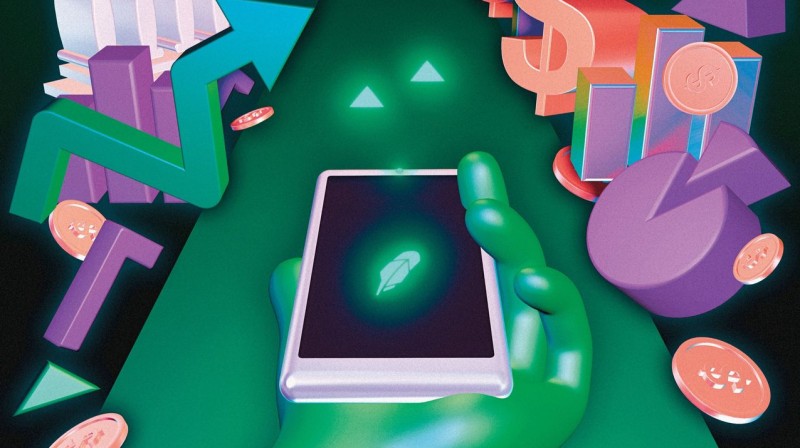
Cryptocurrency Trading Explained on Robinhood
I got curious about cryptocurrency trading explained on Robinhood - mostly because the app markets itself as this super simple, no-fee way to invest, and I wanted to see if that zero-commission style is a genuinely helpful tool or just a smoothly paved path to dumb bets. Robinhood’s official mission statement is to 'democratize finance for all,' which sounds lovely. But I kept wondering if handing everyone a tap-to-invest app just pulls in folks who have no idea what they’re doing. The app lets you buy stocks and crypto in a few taps, and it feels friendly - maybe a little too friendly. So I figured we should look closely at how it actually works and what it costs you in less obvious ways. In this post, I walk through the facts I dug up, in plain words, no fancy talk. The main phrase here is cryptocurrency trading explained on Robinhood, and I’ll keep using it so we stay on track. I’ll also touch on how the zero-commission model fits with crypto. You should read this if you’ve ever found yourself thumb-hovering over the buy button on your phone.
How Robinhood Started With Zero Fees
Robinhood burst onto the scene with a pitch to kill commission fees entirely. It offered zero-commission trading in stocks and cryptocurrencies, wrapped in that 'democratize finance for all' mission - meaning they wanted to fling the door open for small traders. Before this, most brokers charged per trade, which was a speed bump for normal people. Some folks hail the app as an enlightened version of Wall Street. I’m not so sure. The no-fee model pulled in a young crowd: average user age is 31, and about half are first-time investors. That tells me a lot of them are new to money markets. Robinhood grew fast - in early 2020, over three million new accounts opened in four months, pushing total users past 13 million. That’s a lot of newbies holding a tap-to-trade app. The easy style lowers the barrier to entry, but it also strips away the friction that used to make people pause. I think that can be good or bad depending on the person. A simple app can teach you stuff, or it can just tempt you into mischief.
Its stated mission is to democratize finance for all.
The GameStop Mess Shows The Risk
To see the zero-fee effect in the wild, look at the GameStop saga. A 19-year-old freshman named Cody Herdman woke up one January morning and checked Robinhood. He’d lost his dad’s life savings in the 2008 crash, so his mom had taught him to research global events before investing. With a $1,000 gift, he bought small bits of stocks and 0.007 BTC. He also got interested in GameStop after reading the WallStreetBets hype on Reddit. When the market opened, he sold nearly everything, kept $1,200 cash. Then he bought GameStop in two bursts using a margin loan as the stock climbed from $14 to almost $40 a month later. He says he went all in. By late January, GameStop hit $380 a share - up 1,500% in two weeks. His account showed about $25,000 in gains. He sent screenshots to friends. One friend said he made as much in a month as the friend made in a year. This slice of the story is about stocks, but it shows the exact mindset the app cultivates.
Cody's first buys with his gift money
- 11.5 shares of BioCryst
- five shares of Virgin Galactic
- six shares of Corsair
- five shares of Nordic American Tankers
- 0.007 BTC
This story shows how fast things moved on a no-fee app. The margin loan let him bet more than his cash - risky business. The social media hype pushed him along, and Robinhood made acting on impulse absurdly easy. I’m not blaming the kid; the tool just made the trade frictionless, and the zero commission meant there wasn’t even a small fee to make him pause. That worries me a bit. Easy can slide into reckless if you’re not watching yourself. The same pattern shows up in crypto: people see a coin spike and tap buy with zero thought. The app doesn’t slow you down - it just executes. So the GameStop mess is a warning for anyone trading coins on Robinhood too.
Oh my god, dude, you made as much money in a month as I've made over the course of a year.
They Halted The Buy Button
Then Robinhood shocked its users. Citing recent volatility, it said it would restrict transactions for certain securities to position closing only - meaning you couldn’t buy new shares of GameStop or other meme stocks like AMC and BlackBerry. Trading effectively halted. GameStop plunged from $347.51 to $112.25. Cody’s portfolio dropped 66% to $10,000. The move sparked outrage across the political spectrum: Representative Alexandria Ocasio-Cortez called it unacceptable and demanded a hearing, and Senator Ted Cruz agreed (a rare unifying moment). Robinhood staff felt betrayed when management sent $40 DoorDash credits for morale. A House committee held a hearing about retail investors and short sellers. Many users planned to flee to Fidelity. This episode raised big questions about zero-commission models: do they democratize finance or just encourage speculation? The halt showed that the app has control even when you think you’re free to trade. For crypto, a similar halt could happen if the firm sees risk - a fact worth keeping in mind.
In light of recent volatility, we will restrict transactions for certain securities to position closing only.
How Robinhood Pays The Bills
You might ask: if they charge no commission, how do they make money? I looked into it. Robinhood earns through cash sweep investing, a $5-per-month Gold margin tier, and mostly through payment for order flow (PFOF). That last one is the biggie. Customer orders get routed to high-frequency trading firms that fill trades while skimming a tiny spread. Predictable, unsophisticated orders give these firms the biggest edge. In exchange, the broker gets rebates. This is legal in the US but controversial, and it may create conflicts of interest. The zero-fee sign hides a different cost: your trade might not get the best price. As a crypto trading brokerage , Robinhood uses the same model for crypto too. So the app isn’t free - it’s just paid by someone else. When you buy Bitcoin on Robinhood, the order goes to a partner who pays Robinhood. That’s how the lights stay on.
Ways Robinhood makes money
- Cash sweep investing
- Gold subscription at $5 per month
- Payment for order flow from HFT firms
- Interest on margin loans
Payment For Order Flow Is A Big Deal
Payment for order flow means your buy or sell order goes to a firm that pays Robinhood for the chance to fill it. Those firms make money on the spread. For a small trader, the difference is tiny, but across millions of trades it adds up. The source notes that predictable, unsophisticated orders give the biggest edge - which describes a lot of new users. So the model relies on folks who don’t trade smart. In October 2019, pressure from Robinhood drove competitors like Fidelity, Charles Schwab, and E*Trade to drop commissions entirely. Before that, etrade ETF fees were the norm. Now everyone races to zero. That sounds good for us, but watch the fine print: the order routing may not be best execution. The SEC alleged Robinhood deprived customers of $34.1 million in best-execution savings and settled for $65 million without admitting wrong. That’s a lot of money hidden in small spreads, and crypto trades likely have similar hidden costs.
Regulators Stepped In
With rapid growth came regulatory eyeballs. In September 2020, the SEC investigated whether Robinhood disclosed payment for order flow adequately. Massachusetts filed a complaint alleging illegal practices, saying the app gamified inexperienced investors and failed controls during market swings. Robinhood settled that case for $65 million - again, no admission of wrongdoing, but agreed to improve disclosures. The pattern shows the easy app drew scrutiny. For crypto users, the same concerns apply: a platform that feels like a game can lead to real losses. I think that’s why we need to understand the business model before tapping buy. The state argued the design pushed young users to trade more than they should - a serious claim. Whether you trade stocks or coins, the confetti and smooth UI aren’t just cute; they’re part of the plan.
Options Trading Cost A Life
Options trading landed on Robinhood in late 2017 and became a major revenue source because payment for order flow rates are higher than for stocks. Options can bring rapid, massive losses, and some users get compulsive. In March 2020, a 20-year-old student named Alex Kearns used Robinhood to trade options spreads. He opened with $16,000, chose a no-margin account, but Robinhood assigned him a short position of 24 puts worth $730,000. His cash account showed a negative balance over $730,000. He sent frantic emails, got auto-replies, and died by suicide. Robinhood expressed condolences and donated to suicide prevention. No structural change was mandated. This is a dark mark. It shows that easy leverage and complex products can destroy lives. Crypto has similar volatile products, so be careful. The app may let you do things you don’t fully grasp. I get mad reading this - a kid thought he owed huge money due to a confusing display, and that should never happen.
He sent frantic emails asking for clarification, received only auto-generated replies, and ultimately died by suicide.
Robinhood Enters Crypto
In January 2018, Robinhood launched crypto trading in five states, offering Bitcoin and Ether. The move got both excitement and caution. One blogger joked that the app letting stoned college kids move equities now lets them buy cryptos. Crypto on Robinhood allowed fractional purchases, lowering the entry bar for newcomers. The intuitive UI made it attractive to folks unfamiliar with traditional exchanges. But crypto’s volatility and speculation concerns stayed. Many list the app among the best US cryptocurrency exchanges for starters. And a common question is where you can day trade crypto with no fees - Robinhood is one answer. Still, the same zero-commission model applies. You’re kind of the product in a way. The crypto side is not a charity; it’s a business.
I also looked at broader search terms people type. Folks search things like crypto trader remusofmars investment when hunting for tips. And Robinhood often appears in a cryptocurrency exchange top 10 list online. The app is a crypto trading brokerage that blends stocks and coins. Some other apps like Kraken buy crypto and stocks do similar things. The space is crowded, but Robinhood’s simple design stands out. If you’re new, you might pick it first - that’s fine, but learn the catches first. I keep saying this because I care. The easy door is not the safe door by itself.
Is Crypto Trading Legit On This App
I had to ask is crypto trading legit on such a smooth platform. The factual answer: Robinhood is a regulated US broker, so it’s legit in that sense. But legit doesn’t mean safe. Crypto itself is volatile, and the app adds zero commission but not zero risk. Banks have warned about fraudulent cryptocurrency trading and say they likely won’t refund losses from scams - that warning applies to shady platforms, not Robinhood directly. Yet the ease of the app can make users think all crypto is a game. I think you should treat it as real money, because it is. A Bitcoin is not a sticker. If the price drops half, your cash drops half. The zero fee does not protect you from the market. So yes, the app is real, but your brain must stay real too.
Beware Of Crypto Scams
While Robinhood is a major US exchange, many users have lost money on fraudulent platforms. Unregulated or poorly regulated services often disappear with client funds. The source shares reader stories of crypto fraud, with names like GREAT WHIP RECOVERY and others popping up. I won’t endorse those recovery services - the point is that scams are common: romance-linked fraud, fake wallet updates, pump-and-dump schemes. Bank warnings stress refunds are unlikely. So you must do due diligence. If a deal promises high returns, step back. I hate seeing folks lose life savings. Hey, don't skip this part: check the platform before sending coin. A real exchange like Robinhood is registered. If a site asks for your seed phrase, run - that’s the oldest trick. Crypto makes it easy to send and hard to get back.
Common crypto scam types to avoid
- Unregistered trader using fake MT5 apps
- Romance-linked crypto fraud
- Fake wallet update stealing funds
- Pump-and-dump schemes on social media
Stories From Folks Who Got Burned
The source includes many testimonials from a blog’s readers. One guy, Ralf, lost $88,000 to a friend who mismanaged investments; he claimed a recovery service got it back. Another, Natasha, lost $382,000 to a fraudulent platform; she said a security team recovered the full amount. A woman, Albert Sophie, lost $807,000 Dirhams to a binary options scam and claimed a hacker team returned it. Jennifer Garet tried many options then got a wallet recovered. I share these not as ads but to show the scale of loss - scammers target regular people. A woman named June lost $187,000 after a fake wallet update and used a recovery group. Again, I can’t verify these services, but the losses are real. The lesson is to avoid shady sites from the start. Use known best US cryptocurrency exchanges if you trade, and learn learning how to trade crypto for beginners from solid sources, not hyped forums. The stories show even big sums vanish in a click.
I'm still shocked, but this service gave me my life back.
Learning How To Trade Crypto For Beginners
If you’re new, take it slow. The source’s closing thoughts give clear steps. Understand the business model: know that Robinhood earns from payment for order flow and subscriptions, which may affect order routing. Know the risks of leverage and options - margin can amplify gains but also blow up. Beware crypto scams; unregulated platforms and romance frauds are common. Use reputable recovery services only if needed and research them. Stay informed and seek help early if scammed; keep docs and screenshots. I’d add: start with small amounts. The cryptocurrency trading how does it work question is answered by seeing that you buy fractional coins at market price, but the app sends your order to a partner. Not magic. You’re not buying from Robinhood directly in the crypto sense; they route it. That’s why the price may differ from a dedicated exchange.
Steps to trade safer on Robinhood
- Understand the business model and PFOF
- Know the risks of leverage and options
- Beware crypto scams and unregulated sites
- Use reputable help only after research
- Stay informed and report fast if scammed
Cryptocurrency Trading How Does It Work Here
On Robinhood you open an account, link your bank, and tap to buy Bitcoin or Ether. You can buy fractional coins, like the 0.007 BTC Cody bought. There’s no commission fee shown, but the price you get includes the spread and order flow rebate. The app is mobile-first and feels like a game with confetti and streaks - that gamification worried Massachusetts regulators. For where you can day trade crypto with low friction, this is a top pick. Yet day trading needs discipline. The zero fee may make you overtrade. I think that’s the trap: you think it’s free, so you click more. But each click carries market risk. If Bitcoin drops 10% in an hour, your tiny buy still loses 10%. The app won’t stop you; it just executes fast. So the mechanics are simple, the consequences are not.
Other Places To Trade
Robinhood isn’t the only spot. Some people look at Kraken buy crypto and stocks as an alternative. Others check cryptocurrency exchange top 10 lists for comparison. Traditional brokers like Fidelity and Schwab now have zero fees too, thanks to Robinhood pushing them. Even etrade ETF fees are gone. For crypto only, there are dedicated exchanges, but each has its own model. The key is to read the fine print. A crypto trading brokerage might look the same but route orders differently. I suggest picking one that explains its flow clearly. If you just want to try, Robinhood is okay, but know the others exist. Competition is good for us - it keeps the hidden cuts smaller.
My Take On Zero Commission
So is zero-commission a helpful tool or a trap for reckless bets? I land in the middle. It helps people who couldn’t afford fees to start investing - that’s good. But the app design and order flow model nudge you to trade more and think less. The GameStop frenzy and Alex Kearns tragedy show the dark side. For crypto, the same ease applies. I like that I can buy a tiny bit of Bitcoin without a fee, but I hate that the cost is hidden. My advice: use the tool, but stay paranoid. Read the disclosures. Pretend each tap costs something. That mindset keeps you safe. The mission to democratize finance is nice words; the real test is your own behavior. If you treat it like a casino, you’ll lose. If you treat it like a bank, you’ll still face market risk but with more calm.
Keep Your Eyes Open
To wrap up the facts, easy access cuts both ways. Zero-commission platforms lower bars but remove protective friction. High-frequency payment for order flow creates conflicts. Gamification encourages fast turnover. For crypto, scams add another layer, and banks warn refunds are unlikely. If you want learning how to trade crypto for beginners without hype, stick to known venues and small steps. Robinhood’s mission to democratize finance is compelling, but it demands responsible use. I hope my notes help you trade with eyes wide open. Don’t let the smooth UI fool you - real money, real risk. The phrase cryptocurrency trading explained on Robinhood should mean you know the catches, not just the taps. I’ll keep digging and share more as I learn. Stay safe out there.

Comments on “Cryptocurrency Trading Explained on Robinhood: Is Zero-Commission Trading a Helpful Tool or a Trap for Reckless Bets?”
No comments yet. Be the first to share your thoughts.