

ETFs with Cryptocurrency: A Not-Scary Look
I used to think getting into crypto meant memorizing seed phrases and praying I didn’t lose a napkin. Then I learned about ETFs with cryptocurrency, and my normal brokerage account suddenly became a crypto portal. Here’s the deal.
You don’t need to hold your own keys or become a custody expert to get some exposure. ETFs with cryptocurrency let you track coin prices through regulated funds. I’ll explain how the spot-versus-synthetic showdown works, and how to actually add them to your portfolio without spontaneously combusting. My goal is to keep this plain and useful.
What Is an ETP and an ETF
An Exchange-Traded Product (ETP) is a broad tag for things traded on stock exchanges that track an asset. That asset can be a stock index, a commodity, a currency, or cryptocurrency. ETPs give a clean and regulated way to get exposure to Bitcoin or Ethereum without holding them or running wallets and blockchain gear.
An Exchange-Traded Fund (ETF) is a specific type of ETP. It is built as a fund that holds a basket of the assets it tracks. A spot crypto ETF directly holds Bitcoin in custody. That gives price exposure without you managing the coin yourself. I like this because I never liked the idea of losing a password and my money along with it.
ETPs and ETFs often get used like they are the same, but the ETF is a subset. All ETFs are ETPs, but not all ETPs are ETFs. This matters when you read fund docs and see terms like ETN or ETC, which we will touch on next.
Types of Crypto ETPs
Crypto ETPs come in a few shapes. Each fits different needs and risk appetite. I’ll list the main ones so you see the spread and can pick what makes sense for you.
Main crypto ETP forms
- ETFs that hold actual crypto like a spot Ethereum ETF with real coins in custody
- ETNs which are debt notes from banks, carrying issuer risk if the bank fails
- ETCs that track commodities like Bitcoin in cold storage, similar to gold vaults
- Leveraged and inverse ETPs for short-term trades, not for long holds due to daily rebalancing
The ETN part scares me a bit. If the issuing bank defaults, you may lose money even if Bitcoin did well. So I stay clear of those unless I really know the bank behind it. ETCs feel closer to ETFs in how they trade, but they are not funds by structure.
Leveraged products aim to amplify daily returns by two or three times. Inverse ones go opposite the asset’s daily move. Because of compounding, they are bad for buy-and-hold. I mention them only so you know they exist and can avoid them if you are a normal saver.
Binance breaks down crypto ETFs in five minutes
Spot Crypto ETFs Hold Real Coins
Spot crypto ETFs are the ones that hold the actual cryptocurrency in secure custody. When you buy shares, you get direct exposure to the real-time market price. Examples include iShares Bitcoin Trust (IBIT), Grayscale Bitcoin Trust (GBTC), and Fidelity Ethereum Fund (FETH).
I think these are the easiest for a normal person. You buy them in your regular brokerage account. No private keys, no wallet apps. Just a ticker and a buy button. A spot Ethereum ETF holds real Ethereum in secure custody, giving investors exposure through a traditional account without managing keys.
These funds truly hold the coin. The fund provider handles custody, often with a third-party like Coinbase Custody. That relieves you of the job of self-custody, which can expose you to hacking or lost keys. For me, that is a big weight off the shoulders.
Futures and Synthetic Crypto ETFs
Futures-based crypto ETFs don’t own crypto directly. They use futures contracts to get exposure. Performance can drift from spot price due to rollover costs and premiums. ProShares Bitcoin Strategy ETF (BITO) is a known one that trades Bitcoin futures.
Synthetic crypto ETFs aim to copy price moves using derivatives like total return swaps. These are more common in Europe where direct crypto may be restricted or taxed differently. They are not my first pick, but they exist for regions with tight rules.
"A spot-based ETF offers a more straightforward and accurate approach to tracking Bitcoin prices, reducing such tracking errors and volatility."
Futures funds incur rollover costs as contracts expire. That can make them less cost-effective over years. Synthetic ones add counterparty risk from the swap dealer. I stick to spot when I can.
Thematic and Basket Crypto ETFs
Some ETFs give a mix. Thematic or basket crypto ETFs hold a range of crypto-related assets. They may include a diversified set of top coins, stocks of blockchain firms, or shares of mining companies. This is like a salad bowl of crypto exposure.
If you want a crypto industry ETF that holds stocks instead of coins, this is the lane. It can include the best crypto companies to invest in as part of the fund. A fund might track blockchain-focused firms or mining infrastructure providers.
I see these as a bridge for folks who believe in the tech but don’t want pure coin risk. You still get crypto market moves, but blended with company performance. Read the prospectus to know the mix.
Why These Funds Matter to Regular People
Crypto ETFs build a bridge between normal finance and the crypto world. For retail investors, they remove tech hurdles like wallets. For institutions, they fit compliance and custody rules. Regulators get a familiar structure to oversee.
By packing crypto into regulated, exchange-listed funds, ETFs simplify access and add a layer of investor protection. I sleep better knowing a custodian holds the coins, not my messy desk drawer. The funds also let you use a normal brokerage, which most of us already have.
This access helps people in places where direct crypto purchase is blocked or hard. A regulated product listed on a stock exchange brings surveillance and disclosure. That is a win for the little guy who just wants simple exposure.
Roadmap Money ranks ten Bitcoin ETFs for 2026
Some Known Crypto ETF Names
A few products show how the market grew. The iShares Bitcoin Trust (IBIT) marked BlackRock’s move into spot Bitcoin ETFs. Grayscale’s GBTC converted to a spot ETF in January 2024. The VanEck Ethereum Strategy ETF focuses on ETH futures, while ProShares BITO was the first U.S. Bitcoin futures ETF. In Europe, GlobalX Blockchain & Bitcoin Strategy ETF combines futures with company shares.
You might also see a Fidelity crypto currency fund like FBTC. And if you search a a crypto ETF list , you’ll find many tickers to review. BlackRock, Fidelity, Ark, Bitwise, VanEck, Valkyrie, Franklin Templeton all offer spot Bitcoin ETFs.
Custodians behind these include Coinbase for many. The list of names keeps growing as more issuers join. I check the issuer and the fee before I ever hit buy.
Spot Bitcoin ETF Approval Story
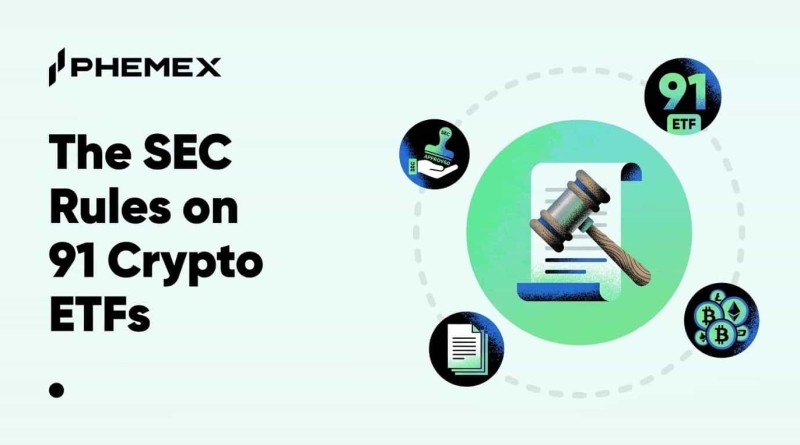
The SEC cleared 11 spot Bitcoin ETFs on January 10, 2024. That followed a court case where Grayscale’s conversion was deemed arbitrary to deny because futures ETFs were similar. The first ETF application hit the SEC back in 2013. BlackRock filed in June 2023, which built momentum.
Before that, Bitcoin futures ETFs and trusts existed, but the spot ETF was long awaited. The approval opened the door to investors wary of buying and storing Bitcoin on exchanges. I remember thinking this was a big deal for my brokerage account because I could finally click and own a slice.
"The approval of an SEC-sanctioned spot Bitcoin ETF would grant legitimacy to the cryptocurrency asset class."
Canada and Europe already had some crypto ETFs earlier. Those successes may have softened the U.S. stance. The path was long, with over 20 rejections before the green light. History shows these things take time.
Risks You Should Not Ignore
These funds are not magic. The underlying coins remain volatile. Management fees eat returns over time. Some ETFs have tracking error, especially futures-based ones. Regulatory clarity is still evolving and varies by region.
Also, custody concentration is a worry. Most spot Bitcoin ETFs use Coinbase as custodian. A single hack could hurt a lot of funds. But custodians are regulated more than my shoebox. Still, pay attention to who holds the keys.
Key risks to note
- High volatility of Bitcoin and Ethereum prices
- Management fees reducing long-term gains
- Tracking error in futures-based funds versus spot
- Regulatory changes across jurisdictions affect availability
Some countries like Singapore have not authorized spot Bitcoin ETFs for retail. They classify them as specified investment products with extra checks. I mention this so you know your local rules before trading.
How to Buy Crypto ETFs in a Brokerage
Adding these to your portfolio is straightforward. You can buy them through most brokerage accounts. Search the ETF ticker and purchase like any stock. No crypto exchange account needed.
Platforms are expanding too. Binance added trading of US stocks and ETFs with help from Alpaca, letting users access traditional markets in a crypto-native interface. You could use stablecoin funding like USDC. Even a Charles Schwab crypto ETF option exists for regular brokers.
If you want a a world ETF list that includes crypto, check your broker’s screening tool. Some folks also look at some cryptocurrency stocks to invest in as an alternative path. The buy step is the same as for any equity.
Binance aimed to lower barriers like high fees and complex onboarding. Alpaca provided the broker API to power it. This shows how traditional ETFs and crypto platforms are converging, giving you more choice in one place.
Bitcoin and Ethereum Lead the Way
Bitcoin and Ethereum are the primary coins with approved ETFs. Their spot ETFs brought direct exposure without owning coins. Ethereum spot ETFs hold physical Ether, aligning price with the asset. This has pulled in capital and liquidity.
The success may pave the way for others like Solana. VanEck filed for a Solana ETF in the United States. I think more will come, but Bitcoin and ETH are the safe starters with the longest track record.
Ethereum funds trade like stocks and fall under the same oversight. That helps investors who trust regulated markets. The influx of capital from traditional investors stabilizes and grows the broader market.
Benefits of Crypto ETFs
These funds bring new capital to crypto via familiar vehicles. They add regulatory oversight and professional custody. Tax and accounting get simpler since they trade like stocks.
Benefits for investors
- Influx of new capital from traditional investors
- Enhanced oversight and secure custodians for the coins
- Simplified tax and accounting compliance for holders
- Easy access through normal brokerage accounts without wallets
"They enhance accessibility, provide greater security through regulated custodians, and simplify tax and accounting processes."
Another plus is diversification. Bitcoin has shown low correlation with stocks and bonds. Adding a small slice can broaden a portfolio. I wouldn’t bet big, but a little may help spread risk.
Five top Bitcoin ETFs compared for 2026 investors
Price Impact and Market Growth
After the spot Bitcoin ETF approvals, Bitcoin price moved from just under $47,000 to a new high of $73,000 within a couple of months. Net inflows close to $12 billion led up to mid-May 2024. Total value under management in ETFs stood at $51 billion then.
Some studies estimated approval could add up to $1 trillion to crypto market cap over time. I’m not betting the farm, but the inflows show real demand. Long term, many see it as a positive for Bitcoin holders who use the fund wrapper.
Volume through spot Bitcoin ETFs passed a quarter trillion dollars in that early period. That kind of liquidity was rare on crypto exchanges alone. The regulated shelf gave hesitant money a safe on-ramp.
Spot Bitcoin ETF Fee Comparison
Fees vary a lot. Grayscale GBTC charged 1.50%, while others like Franklin Templeton EZBC at 0.19% were low. Many had fee waivers for early periods. I always check the fee sheet before buying because it eats returns.
Sample spot Bitcoin ETF fees
- Ark 21Shares (ARKB) 0.21% with early waiver to first $1 billion
- Bitwise (BITB) 0.20% with early waiver period for assets
- Fidelity (FBTC) 0.25% waived until August 2024 for starters
- iShares (IBIT) 0.25% reduced to 0.12% for first 12 months
Lower fees help long-term holders. A 1.50% drag is huge over ten years. The fee wars pushed costs down, which is good for everyday savers. Caleb & Brown and other brokers can help if you want guidance, but you can also self-direct.
A Doctor's Skeptical View
A blogger called Prudent Plastic Surgeon wrote a funny April Fool post about putting 75% in crypto ETFs, then revealed he didn’t. He sticks to index funds and a written plan. He warns against FOMO and using only 'for fun' money if you must dabble.
"You don't need to overcomplicate things. You don't need to take on excessive risk. And you definitely don't need crypto ETFs!"
I see his point. A bad investment wrapped in a new package is still a bad investment for some. But I also think a small satellite slice can be okay if you know the risks and won’t cry if it drops.
He notes that a written financial plan keeps you from chasing hype. I agree. If you add crypto ETFs, do it with eyes open and a fixed small percent. Don’t let a hot chart ruin your calm.
Thoughts on Picking Coins and Funds
People often search which crypto is best to invest now or best crypto to buy for long term . The truth is nobody knows for sure. Bitcoin and Ethereum have the longest track record with ETFs.
For those wanting best crypto investments , the ETF structure itself reduces some self-custody risk. But the coin price still swings hard. Only use money you can lose. The fund is just a wrapper, not a shield from volatility.
I also see searches for best crypto to buy for long term paired with fund tickers. That is fine, but do your own read of the fund holdings. Spot funds hold the coin; others hold paper promises.
My Take on Adding Crypto ETFs
I keep my own plan simple. I learned that ETFs with cryptocurrency give me a portal through my brokerage. I don’t need to be a tech wizard. I might add a small bit to learn the market, but I won’t bet my retirement on it.
If you want to explore, grab a a crypto ETF list and read the fund docs. Watch fees, watch volatility, and stay calm. That’s the not-scary look I promised. Use only fun money if you feel unsure, and keep the core in broad index funds.
At the end of the day, these funds are tools. They don’t change the wild nature of crypto, they just make the gate easier to open. I’m glad the option exists, and I’ll keep watching as more coins get their own ETFs.










Comments on “ETFs with Cryptocurrency: How I Stopped Freaking Out About Losing My Keys”
No comments yet. Be the first to share your thoughts.