
Crypto Currency Investing: A Calm Look at the Whole Picture
Crypto currency investing can mean buying a coin, following a price trend, or putting funds in a self-directed retirement account. Those are very different jobs. One is about custody, one is about trading, and one is about taxes. The purchase button is the easy part.
If you came here for a plain way to buy crypto coins , the hard part sits behind the button. You need to know what you own, why someone else may want it, where it sits, and what happens if your main reason for buying falls apart. The cleanest way I see the subject is to split it into those boring questions. Boring questions tend to survive contact with hype.

What kind of thing is cryptocurrency?
Cryptocurrency has a split personality. It is called money, though most people do not use it to buy coffee. It is called an asset, though many tokens pay no interest, rent, or dividend. It is called decentralized, though many buyers still touch a centralized exchange. The labels are clues, not final answers.
Four ways investors sort value
- A cash-generating asset produces or is expected to produce money. A business, stock, or bond can be studied through those cash flows.
- A commodity gets much of its value from use as a raw material. Its price often depends on supply and demand.
- A currency acts as a medium of exchange and a store of buying power. Its value depends on acceptance, stability, and how people use it.
- A collectible has no cash flow and is not money. Scarcity, looks, status, and emotion can shape its price.
Aswath Damodaran used those groups to sort Bitcoin. He treated Bitcoin as a currency because its holder receives no cash flow and Bitcoin is not used as raw material. He allowed that a token could gain a commodity-like role if it became a needed input for smart contracts, which he saw as a possible strength for Ethereum.
Bitcoin cannot be valued; it can only be priced.
That leaves an awkward sentence: Bitcoin can have market value without producing cash for its holder. Gold has a similar problem, yet people still hold it as money and savings. Critics ask why someone should pay more for that promise in the future. Mining cost alone does not settle the issue, since making something expensive does not give it a basic use.
Complete Beginner’s 2025 Guide to Crypto Investing
Why Bitcoin and Ethereum stand apart
Bitcoin launched in 2009 and was the first cryptocurrency. Ethereum, Litecoin, Dogecoin, and many other coins came later. Bitcoin and Ethereum have the longest records, wider use, better liquidity, and more established infrastructure among many crypto assets. That history matters for cryptocurrency investing, but it does not remove the risk of a failed network, hack, exchange, or price collapse.
Searches for a single winner or a coin worth deeper study keep running into the same wall. One reviewer in the source material praised Bitcoin and Ethereum for network effects, security, and built-in scarcity. That same reviewer warned that obscure tokens were more likely to bubble, collapse, or turn out to be scams.
A short list of coins worth real research should compare users, liquidity, development, ownership, and security. A label like a fast-growing token says little about any of those things. Hundreds of coins exist because it is easy to launch one. Existing demand is much harder to create.
Why people invest in crypto
Crypto can move value across borders without a bank in the middle. It can run around the clock, reach many countries, and support small transfers. A buyer may also be able to purchase a small fraction of a coin. These features can widen access, but ordinary payment apps can already help with some of the same jobs.
Bitcoin's protocol caps issuance at 21 million coins. Supporters call this a defense against currency dilution and sometimes call Bitcoin digital gold. The cap is real, but scarcity only supports a high price if people still want the coin and trust its network and ownership rules. A padlock on the supply is not proof that buyers will come.
Some crypto also has a weaker link to stocks than many stock markets have to each other. That may spread risk inside a portfolio. It is not free money, either, because crypto can fall hard and may sell off when the rest of the market is calm. That is crypto investing in one sentence: possible access and portfolio spread, wrapped in some very large ways to be wrong.
Common reasons and hidden catches
- Direct transfers can cross borders without a traditional bank, but fees, network conditions, and legal rules still matter.
- Small purchases lower the dollar amount needed to enter, not the percentage risk taken from the whole portfolio.
- Limited supply may support demand, but it cannot force anyone to buy or use the token.
- A weaker stock correlation may help with balance, but crypto remains able to suffer a deep and fast loss.
What crypto can actually do
A token can take on different jobs at the same time. Calling it one thing can hide the part that matters to you. Are you using it to pay, save, transfer value, run software, or trade it for a gain?
Main uses of crypto
- A medium of exchange lets people pay for goods or services.
- A unit of account gives prices a quoted value, such as a TV costing a set amount of Bitcoin.
- A store of value is held to preserve or grow buying power over time.
- A settlement asset moves value between parties, including across borders.
- A smart-contract resource pays for computing work or triggers code when set conditions are met.
- A market asset is bought and sold because buyers expect demand, adoption, or sentiment to support its price.
Technical power does not prove broad use. Bitcoin can move around the clock, but ordinary bills, rent, groceries, and taxes still tend to use national money. Limited payments at some stores or in one country show that use is possible, not that crypto has replaced a national currency.
Smart contracts and stablecoins add more uses, but each brings old problems back in new clothes. A reserve-backed stablecoin depends on the issuer, banks, custodians, and redemption process. An algorithmic stablecoin can lose its dollar link if confidence falls. DeFi can cut out some intermediaries, yet users may still depend on code, wallets, exchanges, courts, and taxes.
Cryptocurrency Defined: Blockchain, Mining, and Volatility
Why crypto prices swing so hard
Most crypto does not pay its holder. There is no rent, dividend, interest, or operating cash flow to collect. The return often depends on selling to a future buyer at a higher price. If buyers disappear, the token can remain perfectly functional while becoming much harder to turn into spendable money.
Short-term prices often follow supply, demand, mood, and momentum. News, stories, rumors, and social posts can move the price before they change anything real. Damodaran's trading view put the focus on catching a shift in mood and getting out before it reverses. A trader could be skilled at that without knowing much about long-term value.
Bitcoin's history gives a clean example of entry-date risk. Someone who bought near $40,000 in late 2021 could have seen the price fall below $20,000 and then below $10,000 before a later recovery above $100,000. Same coin. Very different result. The recovery did not erase the danger faced by the early buyer.
Trees don't grow to the sky.
Long-term holders face a different set of questions. Does acceptance keep growing? Does the network stay secure? Does the custody setup keep working? A store-of-value story also has a ceiling because there are only so many dollars in the world. Bitcoin can gain a large share, lose to another system, or settle into a smaller role than supporters expect.
The main risk stack
Crypto risk is not one box. Price can collapse while an exchange fails, a wallet gets hacked, a tax rule changes, and buyers stop trading. The losses can arrive together, which is why a small token price does not always mean a small investment risk.
Risks to count before buying
- A coin can lose most or all of its value.
- A long drop can happen before the price returns to an earlier level.
- Exchanges can freeze accounts, close, or owe more than customers can recover.
- Hackers can steal funds, while lost passwords, hardware, or recovery phrases can lock an owner out.
- Tax, securities, banking, and custody rules can change.
- Trading, leverage, spreads, and withdrawal fees can cut returns.
- A liquid market can become hard to sell into during panic.
- Trading, development, mining, or ownership may be controlled by a small group.
- Scams, false projects, pump-and-dump activity, and impersonation can target investors.
A historical FBI estimate put reported crypto scam losses for Americans at $5.6 billion in 2023, 45% more than the year before. That figure covered fraud, not every loss from falling prices, failed exchanges, leverage, or poor allocation. So the broader test of a sound crypto investment has to include more than whether a wallet was stolen.
Custody: exchange or wallet
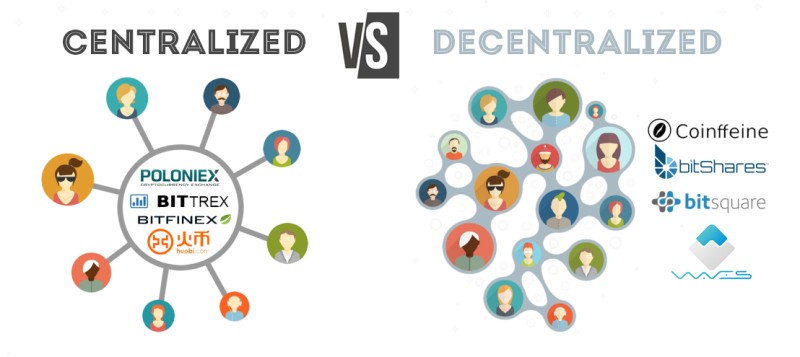
A centralized exchange gives you a familiar account, recurring buys, and a simple sell button. The exchange holds the private keys and controls the account system. That creates convenience, but it also creates account-freeze, outage, hacking, and insolvency risks. An account balance may not always carry the same legal claim as cash in a bank.
A self-custodied wallet gives you control of the private keys. You can sign transfers without asking an exchange for permission. The catch sits in the same sentence: you must protect the key, keep backups, check addresses, use safe software, and know what you are signing.
Ways custody can fail
- A password, phone, or two-factor code is lost or taken.
- Hardware is lost, damaged, or set up incorrectly.
- A backup fails, or the recovery information is never stored safely.
- Malware or a compromised device records private information.
- A mistaken or fraudulent transfer cannot be reversed.
- A phishing page tricks the owner into sending funds to a fake wallet.
A hardware wallet does not erase those risks. It can move keys off an exchange, but it cannot protect a seed phrase that was written down for someone else to find. It also cannot stop an owner from confirming the wrong address or signing a malicious transaction.
Self-custody may also make crypto less confiscatable, but not unconfiscatable. A person can be forced to disclose keys, arrested, or forced to hand over hardware. Governments can also regulate exchanges and service providers. A valid private key does not guarantee that its owner can still use the asset in every legal setting.
Scams, exchanges, and influencer claims
A scam can use a fake token, made-up project, hidden insider sales, phishing, or a request to send funds to a fraudulent wallet. A real project can still fail through weak code, poor economics, hacking, lost users, or legal pressure. Checking the name of a project is not enough. You have to check the people, rights, money, and system behind it.
One study looked at about 36,000 tweets from 180 prominent crypto accounts across more than 1,600 assets. The data covered two years ending in December 2022. A tweet was linked with a mean return of 1.83% over the first day, but the gain faded. Average cumulative returns were negative through 10 days and stood at negative 6.53% through 30 days.
The study does not prove that every influencer causes a loss or that every price move is fraud. It does show that a quick jump after a post did not by itself mean lasting value. Positive wording and large follower counts did not make the later results safer, either. A big account can move attention without knowing much about the investment.
Position size and FOMO
There is no universal crypto share for a portfolio. Some experts in the source material suggested 1% to 5%. One writer chose 2% in crypto and 98% in index funds. Another person held 0% and said the possible gain did not match the risk for him. Those are personal choices, not math rules.
The 2% writer also used bands around his target. He planned to sell crypto if it rose above 2.5% of the portfolio and buy more if it fell below 1.6%. He kept the plan in writing and used a spreadsheet with colors to show when the share crossed a limit. The system was meant to stop emotion from choosing the amount.
Some smart people will figure out some useful things with crypto, and I do not want my FOMO to affect other aspects of my financial plan.
A written rule still cannot solve every math problem. If crypto falls and an investor keeps buying to restore a 2% target, the plan can add more money to a falling asset. If the coin reaches zero, restoring the same share can mean absorbing the full loss. A target makes sense only if the investment is still fit for the portfolio.
A small position can also become too large after a sharp rise unless it is sold or rebalanced. That is why I would treat 1% to 5% as examples of small satellite positions, not promises or commands. The right cap depends on cash needs, time, taxes, debt, and how much pain you can take without wrecking the rest of your plan.
Ramsey’s Take: Should You Buy Crypto?
Buy and hold, spread buys, or lump sum
Dollar-cost averaging means buying a fixed dollar amount at set times. It can reduce the pain of putting a large sum into one price and make it easier to keep buying during a fall. It cannot prevent a loss. If the price drops through the whole buying period, the average purchase can still end up too high.
A lump sum puts more money into the market at once. It may work better if the market rises after the purchase, but it can also land right before a fall. Trend following takes another path. A price signal decides whether to hold the risk asset or move to a safer one, so success depends on the signal and the investor's ability to follow it.
Common crypto methods and their catches
- Buy and hold ignores daily price moves but exposes the full position to every drawdown.
- Dollar-cost averaging lowers one-price timing risk but can add to a long decline.
- A lump sum avoids waiting for later purchases but creates a large entry date.
- Trend following seeks to follow market movement but can sell after much of the rise is over.
- Rebalancing controls a position's share but can force buys after a large loss.
No method can settle the lasting-investment question on its own. A short trade and a long hold face different costs, timing, and risks. Buy and hold can work with a strong long-term case, yet past returns never promise the same path ahead. The method must fit the asset, the time horizon, and the person following it.
Ways to gain crypto exposure
Direct ownership gives the closest link to a coin. Pooled products can make buying easier through a brokerage account, but the product may hold cash, futures, shares, or trust interests instead of the coin itself. Spot Bitcoin ETFs generally hold or track Bitcoin. Futures ETFs use contracts that must be rolled as old ones expire, which can change the return.
Common investment routes
- Direct coin ownership gives control over keys and transfers but puts security on the owner.
- A spot crypto ETF offers pooled exposure through a brokerage account while adding fees and tracking differences.
- A futures ETF adds contract pricing, financing, and roll costs rather than direct coin ownership.
- A cryptocurrency trust can trade above or below the value of its holdings.
- A blockchain ETF owns companies that build or use the technology, so it is a stock portfolio rather than a crypto wallet.
- A mining company adds energy, equipment, financing, management, and stock-market risk to its link with crypto.
- A public company or exchange adds debt, operating costs, management decisions, and other business lines.
That makes crypto as an investment less direct through many products. A mining stock can fall while its coin rises if costs rise faster. A company that holds Bitcoin can rise for reasons that have little to do with Bitcoin. A blockchain fund can gain while most crypto prices fall because its companies are gaining.
No product wrapper solves poor asset selection. It can change access, fees, taxes, custody, and trading hours, but it cannot remove every risk inside the network. Read the fund prospectus and verify its holdings, strategy, fees, and legal structure. Then ask whether the account fits your time horizon and tax situation.
Taxes, fees, and government treatment
In the tax system described by the source, governments generally treat Bitcoin like a commodity rather than a currency. Selling it or trading it for another asset can create a taxable event. Rules differ across places and account types, so a useful answer starts with the investor's own situation rather than a universal rule.
A self-directed retirement account lets the owner choose investments instead of taking only a small menu of funds. A platform may provide the account and custody while a third party supplies the crypto services. Contribution limits, rollover rules, provider fees, and liquidity terms still apply, so an owner should check the official rules and ask a tax adviser about the account.
A tax-advantaged account does not turn a loss into a gain. The crypto can still fall, the provider can charge fees, and the position may be hard to sell when needed. It also does not create more room to contribute. More investment choices do not remove contribution limits or the rules for moving old retirement money.
Costs can hide in plain sight. Direct crypto may carry a bid-ask spread, exchange fee, or withdrawal charge. Trusts and ETFs can charge annual fees or trade at a premium or discount. Retirement accounts can add provider and account fees. Regulation can reduce some fraud through custody and disclosure rules, while also requiring identity checks or limiting access.
A plain due-diligence check
Understanding the technology does not mean you understand the investment. Blockchain can keep a clear record, yet it cannot tell you whether a token has real users, legal rights, steady demand, or a fair price. A token can have useful technical parts and still be poor to own at a given price.
A white paper, large market value, celebrity post, or political promise cannot replace this work. A huge rally can make weak claims look proven. Past returns show that buyers made money on some dates; they do not show that the same buyer would have made money at another date or will do so later.
Questions to answer before buying
- What job does the token perform, and who uses it for that job?
- Does the network have real activity, open-source work, and secure history?
- Are users, developers, miners, voting power, and ownership spread out or concentrated?
- What creates demand for the token besides the claim that its price will rise?
- What are the supply rules, and who can change them?
- What legal rights does an owner have, and which claims are uncertain?
- Who holds the private keys, and what happens if the exchange fails?
- What are the spread, trading, withdrawal, fund, trust, or account fees?
- How do taxes and retirement-account rules affect this exact purchase?
- Can the position still be sold if prices fall, buyers vanish, or headlines turn against it?
- Can the whole crypto position reach zero without harming bills, savings, debt payments, or the rest of the portfolio?














Comments on “A Plain-English Guide to Cryptocurrency Investing, Risks, and Methods”
No comments yet. Be the first to share your thoughts.