
What a Crypto ETF List Actually Shows
The first time I looked at a crypto etf list, I felt like a raccoon staring at a spreadsheet. Just rows of tickers and fund names, zero context. But a good list lays out the options, fees, and tickers so you can decide without playing roulette-which is what I’d been doing with my life up to that point. The list tells you what each fund holds, who runs it, and what it costs. You can put a Bitcoin fund next to a Solana fund and compare them like a normal human. That beats guessing, which is my default mode.
A plain crypto etf list is not a sales pitch-it’s a table of facts. You see the ticker, the exchange, the fee, and the custodian (the guy holding the coins). Some lists even show if the fund stakes coins. I like to print one out and mark the ones I understand with a highlighter, then dig into those. This way I don’t accidentally buy something weird, like a leveraged otter futures fund.
If you want a broad view, a world etf list might show funds from other countries, but for digital assets you need a specific crypto sheet. The U.S. market has grown fast, with thousands of ETFs listed-more than public companies, which is a sentence I just find funny. Crypto ones are a small but loud part of that. The list helps you cut through the noise, which is good because my brain is bad at noise.
ETF and ETP Basics for Crypto
Let’s get the terms straight, because I personally mixed these up for a stupidly long time. An ETF is a fund that holds assets like stocks or coins. You buy a share of the fund, not the coin itself. That means you skip the wallet and the private keys-which is great because I would 100% lose my keys. An ETP is a bigger umbrella word that includes ETFs and notes. All ETFs are ETPs, but not all ETPs are ETFs. Simple enough, though my brain still occasionally hiccups.
For crypto, this wrapper matters a lot. etfs with cryptocurrency give you regulated access through a normal brokerage account-the same place you buy boring stocks. You buy and sell like any stock. The fund holds the coins with a custodian. So you don’t lose your keys or panic about hacks, which is the traditional crypto experience.
The U.S. ETF market has surged like a kid on a sugar high. There are now over 4,600 funds listed, more than public companies (again, funny). Total net assets run into trillions. Crypto funds are a slice of that pie, and the slice keeps growing as rules get clearer. An investor can own a piece without ever touching a crypto exchange, which means no "why is my withdrawal pending" emails.
Why a Crypto ETF List Helps You Skip the Hassle
Before these funds existed, buying crypto meant signing up to an exchange, proving ID, and storing coins in a wallet you’d definitely forget the password to. A crypto etf list shows you a simpler path. You use the same account you use for stocks. No new passwords to forget, which is a mercy for my overstuffed brain.
Also, the list shows tax stuff, which I pretend to understand. Many ETFs defer taxable events until you sell shares. Some even let you move coins into the fund without a tax hit. That’s a big deal if you already hold coins-the list can flag which ones do that, so you don’t get surprised by the IRS at 2am.
Spot Bitcoin ETFs hold Bitcoin with custodians, removing the individual’s burden of managing crypto keys.
And you get liquidity, which sounds like a sports drink but is actually nice. ETF shares trade during market hours. You can borrow against them or use them in estate plans. The list is the map to these perks, assuming you can read a map.
Bitcoin ETFs on the List
The first U.S.-listed Bitcoin ETFs launched after years of regulatory fights that made me want to lie down. Since then, they pulled in huge inflows. The iShares Bitcoin Trust (IBIT) leads with over 800,000 BTC held. Its boss called it the fastest-growing ETF in history, which shows real demand-or maybe just that people like Bitcoin.
Looking at a crypto etf list for Bitcoin, you see names like GBTC, ARKB, IBTC, BITB, HODL, BTCW, BTCO, FBTC, BRRR, and more-a salad of letters. Each has a ticker and an exchange. Fees vary. Some are as low as 0.20% while others charge 0.80% or more. You want to check that before buying, unless you enjoy lighting money on fire.
Sample Bitcoin ETF Entries
- Grayscale Bitcoin Trust (GBTC) – converted from an OTC trust, now listed on NYSE Arca (a long and drama-filled journey).
- Ark Invest & 21Shares (ARKB) – on Cboe BZX, fee 0.80% per amendment (Cathie Wood’s crew).
- BlackRock iShares Bitcoin Trust (IBTC) – Nasdaq, in-kind model (the giant is here).
- Bitwise Bitcoin ETF (BITB) – NYSE Arca, amended S-1 (they tweak papers like the rest of us).
- VanEck (HODL) – Cboe, custodian Gemini (nice ticker, very on brand).
- Fidelity (FBTC) – Cboe, in-house custody since 2018 (they’ve been holding coins longer than some of us).
- WisdomTree (BTCW) – Cboe, amended filing (they filed, then amended, as one does).
- Invesco with Galaxy (BTCO) – Cboe BZX (space-themed name, solid).
- Valkyrie (BRRR) – Nasdaq, custodian Coinbase (the ticker sounds like a helicopter).
- Global X – Cboe, custodian Coinbase (the quiet one).
Bitcoin is volatile, which is a polite way of saying it goes bananas. The price went from $1,000 in 2013 to near $20,000 by end of 2017, and later to $100,000. So the ETF value swings too. A list does not remove risk, it just makes the choice clear. You still need to size your bet, preferably not with your rent money.
Back when the first funds were proposed, there were 13 spot bitcoin ETFs in front of regulators. Analysts put odds at about 90% for approval (they were right, which is rare). The crypto etf list we see today is the result of that wave.
Ethereum ETFs and Their Quirks
Ethereum ETFs launched later, because everything with Ethereum is a bit more complicated. At first folks were slow to buy-then interest picked up. BlackRock's ETHA holds over 4 million ETH. But early ETH funds did not allow staking, which meant missing a 2.5-3% yield. Annoying.
One boss summed it up plain:
One of the reasons the Ether ETF has been less successful than people expected is our regulators did not allow staking.
Later, rules clarified staking is not a securities offering (good). Then a staking ETH ETF launched with seed money. So when you scan a crypto etf list, check if the ETH fund stakes or not. It changes your return. A fund without staking lags spot coins, like a dog on a leash.
Even with that gap, ETH funds gathered billions in inflows. The iShares Ethereum Trust leads. The list shows its ticker ETHA and its custodial setup. Simple to find, unlike my car keys.
Solana ETF List Breakdown
Now the fun part. Solana ETFs popped up with staking from day one, which is like showing up to a party already dancing. The list of U.S. spot Solana funds is long. Bitwise's BSOL kicked off on NYSE Arca as the first fully staking-enabled U.S. Solana ETF. It targets 100% staking via institutional services. It uses a regulated reference rate from CF Benchmarks (who name things sensibly).
Here is a condensed crypto etf list for Solana funds, pulled from research:
Key Solana ETF Filings
- 21Shares Core Solana ETF – Cboe BZX, spot, fee TBD, Coinbase custody (the TBD is the universe saying not yet).
- Amplify Solana Monthly Option Income ETF – derivatives, fee TBD (for those who like options, weirdos).
- Bitwise Solana ETF (BSOL) – NYSE Arca, spot, fee 0.20% waived at start, Coinbase (free-ish at first, nice).
- Canary Marinade Solana ETF (SOLC) – Cboe BZX, spot, 0.50%, BitGo (marinade, yum).
- CoinShares Solana ETF – Nasdaq, spot, TBD, Coinbase, BitGo (two custodians, living large).
- Fidelity Solana Fund (FSOL) – Cboe BZX, spot, TBD (Fidelity being Fidelity).
- Franklin Solana ETF (SOEZ) – Cboe BZX, spot, TBD, Coinbase (Benjamin would approve).
- Grayscale Solana Trust (GSOL) – NYSE Arca, spot, 0.35%, Coinbase (the veteran).
- Invesco Galaxy Solana ETF (QSOL) – Cboe BZX, spot, TBD, Coinbase (space again).
- Osprey Solana Trust (OSOL) – Cboe BZX, spot, TBD, Coinbase (bird-themed).
- REX-Osprey Solana Staking ETF (SSK) – Cboe BZX, spot, 0.75%, Anchorage (staking included).
- VanEck Solana ETF (VSOL) – Cboe BZX, spot, 0.3%, Gemini/Coinbase (reasonable fee).
- Volatility Shares 2x Solana ETF (SOLT) – Nasdaq, futures, 1.85%, not for long hold (scary).
Fees are the battle ground. Bitcoin and ETH funds often charge 0.15% to 0.25%. Bitwise cut to 0.20% and waived at start. BlackRock is oddly missing from Solana filers despite big share in BTC and ETH. The list makes that gap obvious, like a missing puzzle piece.
Solana's staking model is simple and ETF-friendly. You can unstake in about two days. No slashing exists (a miracle). Liquid staking tokens make up a chunk of staked coins. The list notes which funds use staking services, so you don’t have to guess.
Fees and Tickers to Watch
When you read a crypto etf list, the ticker is the short code you type in your broker app. Fee is the annual cost. Custodian is who holds the coins. Exchange is where it trades. Those four columns tell you most of what you need, which is a relief.
Watch for futures vs spot. Spot holds the coin. Futures track contracts and can have roll costs. Leveraged funds like SOLT aim for 2x daily moves and are bad for long hold (they decay like leftovers). The list should say which is which. Do not mix them up, unless you enjoy pain.
Also note fidelity crypto currency options if you like that issuer. Fidelity's FBTC and pending FSOL show they are active. A familiar name can ease the nerves when the market gets rough, like a financial security blanket.
Other Crypto ETFs Pending
Beyond BTC, ETH, SOL, there is a wave of other tokens waiting like impatient guests. XRP, Litecoin, Dogecoin, and more have filings. One count showed dozens of pending crypto ETP filings across many digital assets. Solana alone had many separate ETF filings, a real land rush (yeehaw).
A joint regulator ruling classed several crypto assets as digital commodities. That removed a big barrier. But funds still need futures history and registration review. So the list keeps changing as approvals land, like a living document.
Other Tokens on the Radar
- XRP – several spot ETFs already live, more pending (the comeback kid).
- Litecoin – spot funds in queue (the silver to Bitcoin’s gold, allegedly).
- Dogecoin – a staking ETF traded, more spot filings (much wow).
- Hyperliquid (HYPE) – Grayscale filed spot ETF with staking clause (fancy).
- Cardano, Link, Avalanche, Polkadot, HBAR, Shiba – part of broad applications (a crypto zoo).
- Multi-asset baskets – some filings combine several tokens (a sampler platter).
If you wonder which crypto is best to invest now , the list of approved ETFs gives a clue. Only coins with clear status get funds. That narrows the field and cuts hype, which is a public service.
International Crypto ETP Options
The U.S. is not the only place. Europe bars crypto ETFs under UCITS rules (because of course), but Switzerland launched a physically backed crypto ETP back in late 2018. Swiss ETPs are fully collateralized and trade on SIX Swiss Exchange. They hold real coins, not paper promises-shocking, I know.
Canada got early Solana ETFs with staking. Asia saw a spot Solana ETF approved in Hong Kong. So a world etf list shows more variety outside U.S. shores. You see the global cryptocurrencies market at a glance, which is oddly satisfying.
Swiss Solana Staking ETPs
- 21Shares Solana Staking ETP (ASOL) – launched 2021, broad European trading (old reliable).
- CoinShares Physical Solana Staked ETP (SLNC) – introduced 2022, SIX and Xetra (physical, not imaginary).
- Bitwise Solana Staking ETP (BSOL) – launched 2024, Xetra and SIX (crossing the pond).
These are not ETFs exactly but close cousins (like second cousins). They show the market is global. A U.S. investor may not access all, but the list helps you see the spread and compare fees, which is the whole point.
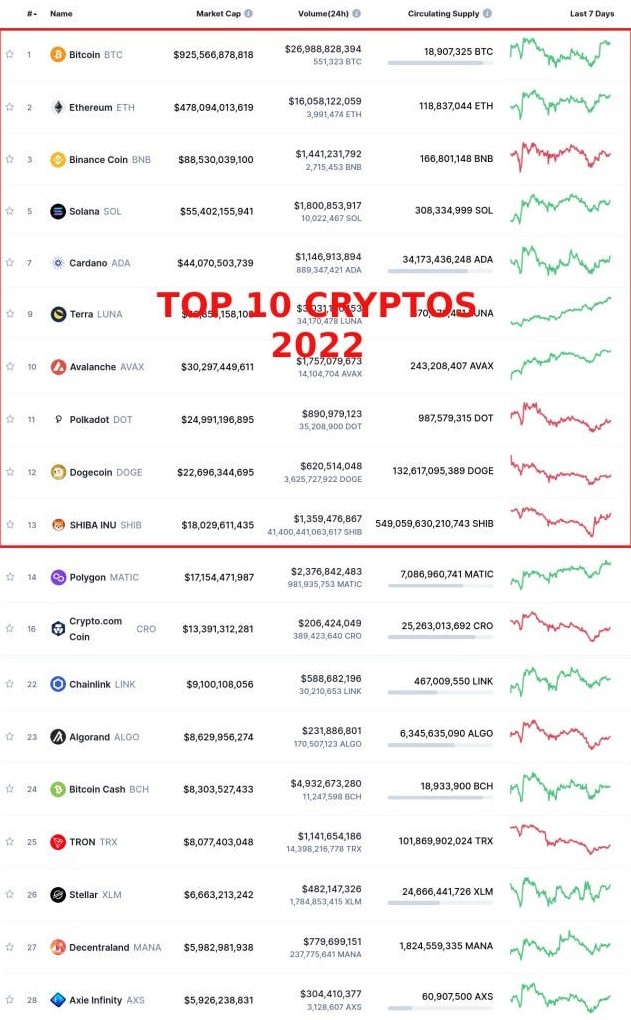
One retail investor built a mini crypto basket by hand before ETFs were common. They spread $150 across top coins. That shows demand was there. Now the list does the work for us, lazy geniuses that we are.
How Regulators Shaped the List
Rules matter, unfortunately. The SEC approved generic listing standards for spot crypto ETFs. That cut approval time from over 240 days to about 75. Issuers can list if the asset trades on a regulated market, has CFTC futures for six months, or an existing ETF holds 40% of it. Bureaucracy, but faster.
They also allowed in-kind creations. That lets crypto holders move coins into funds without tax events (nice). And they clarified staking is not a securities sale. All these moves expanded the crypto etf list you see today, like a balloon.
Crypto ETFs can serve as an accessible, tax-efficient bridge between the worlds of crypto and traditional finance.

Some issuers used a statutory route where silence equals approval (a fun trick). If the regulator does not object in time, the filing goes live. This built a few funds without the usual long review. The list carries those too, because it’s thorough like that.
Staking in Crypto ETFs
Staking means the fund locks coins to help run the network and earns yield. Solana's model is simple: you can unstake in about two days, no slashing (a dream). That makes it ETF-friendly. Some funds pass rewards to you daily, like a tiny allowance.
For ETH, staking was blocked at first, hurting returns (rude). For SOL, staking was there from launch. When you review a crypto etf list, spot the staking line. It could mean an extra 6-7% a year for SOL, which is not nothing.
If you like crypto industry etf ideas that hold stacks of coins, staking funds are close. They are not a basket of stocks, but a direct coin fund with yield. That blends crypto and trad finance, like a smoothie of money.
Picking From the List Without Panic
Hey, don't skip this part, because I almost did. A long crypto etf list can scare you into fetal position. But pick by your goal. Want simple BTC exposure? Grab a low-fee spot Bitcoin ETF. Want yield? Look at staking SOL or ETH funds. Want broad reach? Check a cryptocurrency fund index if one exists, or a multi-asset filing.
Do not chase leveraged futures unless you know the game (you probably don’t). They can decay like old bread. Read the fee row twice. A 1% fee eats gains over years. I prefer funds with waived fees at launch. That saves real money, which I like.
And remember crypto good investment talk is noise. The list is facts. You decide based on your risk. No one else carries the loss, which is both freeing and terrifying.
Where to Find Updated Tickers
The list changes as new funds launch, because nothing stands still. Issuers file S-1 forms with the SEC. Exchanges post tickers. You can search your broker's site for cryptocurrency stocks to invest in but for funds use the ETF screener. Sort by category crypto, like a normal person.
I keep a simple notes file with tickers I trust. When a new fund appears, I add it. That's my personal crypto etf list. It keeps me sane, which is a low bar these days. You can do the same with a sheet or notes app.
The S-1 form is the registration paper. It tells the fund's plan, risks, and fees. If you read one, you understand the fund better than any ad (ads lie). The list links to these filings, if you’re into homework.
Keeping Your Crypto ETF List Fresh
Rules and funds shift like sand. A crypto etf list from last year may miss new Solana or XRP funds. Check it every few months. New issuers enter, fees drop, and staking gets added. Stale info hurts, like expired milk.
I look at issuer sites and exchange tickers. If a fund closes, the list should show that. Plain english beats a fancy dashboard. Write it down and stay calm. That's how I use the list to pick a fund without the jargon, and without crying.






Comments on “How to Use a Crypto ETF List to Pick the Right Fund Without the Jargon (or the Panic)”
No comments yet. Be the first to share your thoughts.