

What Is NFT Hydroponics and Why It Matters
Think of NFT hydroponics as a very thin river for plant roots. I remember the first time I saw a basic setup: a sloped channel, a pump humming quietly, and net cups holding seedlings. The idea is simple, but there’s a lot of nuance packed into those few parts. Developed back in the 1960s by Dr. Allen Cooper, NFT changed how people grow plants, using up to 90% less water than dirt farming. That’s not just a number on a chart - it means your garden can thrive in a drought-friendly way. You don’t need a farm to see the value. Even a single channel on a sunny windowsill can cut water use drastically.
How the Nutrient Film Technique Works

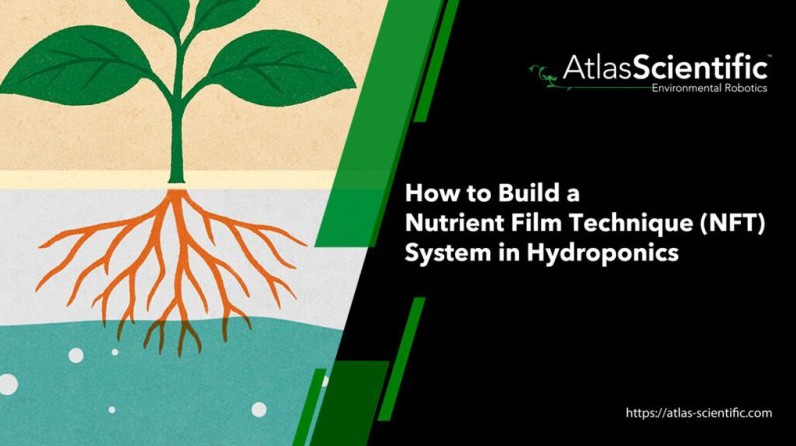
NFT works like a slow drip of nutrients over roots. A pump pushes the solution from a reservoir to the top of a sloped channel. Gravity pulls it down, creating a film about 2-3 mm thick. Plant roots sit in this film, getting water and nutrients while the upper roots breathe air. This split exposure keeps roots healthy and avoids the rot that kills so many systems. It’s like giving roots a constant spa treatment - oxygen on top, food below.
NFT Hydroponics Explained in Plain English
Why Roots Stay Oxygen-Rich in NFT
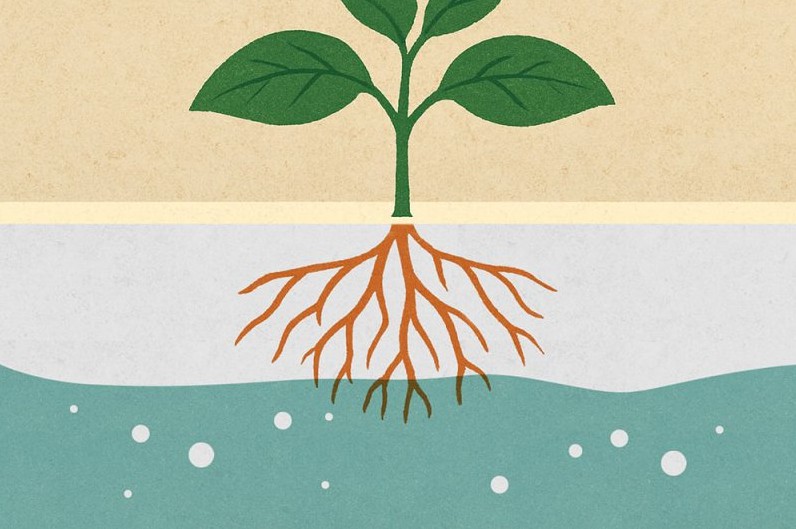
The secret sauce is that exposed upper root zone. While the film feeds the lower roots, the rest hang in air, absorbing oxygen freely. That’s why NFT gets called a “river” compared to deep water culture’s “lake.” In a lake (DWC), roots sit submerged, depending on air pumps for oxygen. NFT skips that step. But here’s the catch - if the flow stops, those roots dry out fast. No buffer. That’s a risk I’d never skip over.
Essential Parts of an NFT System
You need six core pieces to start. Channels (PVC or commercial troughs), a reservoir, a pump, net cups, growing media, and a return line. That’s it. Most DIYers use 3-4 inch PVC pipes with holes for cups. Reservoirs should be opaque to block light and prevent algae. Pumps rated around 250-400 GPH work for small setups. Flow rate matters - too little and roots starve, too much and they drown.
Core NFT Components
- Grow channels (1-3 inches deep)
- Reservoir (opaque, food-grade)
- Submersible pump (250-400 GPH)
- Net cups (2 or 3 inch)
- Growing media (rockwool, clay pellets)
- Return/drain line
Channel Slope and Flow Rate
Slope is where DIY NFT builds fail most often. Too flat, and the film pools. Too steep, and it rushes past roots. Guides suggest slopes from 1:30 to 1:100. A 2% grade (about 1:50) is common. Flow rate ties into this - aim for 1-2 liters per minute per channel. I once saw a builder use a Raspberry Pi to monitor flow sensors and log data. That kind of tech is as critical to NFT systems as the pump itself.
Planning Your Build Layout
Before cutting PVC, lay out your space. Channels need a downhill grade to the reservoir. If stacking vertically, plan for stability - water-filled tubes weigh more than you think. Keep channels 8-12 inches apart for access. Reservoirs should sit lower than channels for gravity-fed return flow. Sketch it on paper first.
Layout Checklist
- Channel slope verification
- Reservoir placement (lowest point)
- Working height for maintenance
- Light exposure for plants
- Access to pumps and sensors
Building the Support Structure
Use lumber, metal, or PVC for frames. Square metal tubing is sturdy but harder to adjust. Wood frames flex under weight. Whatever you pick, check that channels don’t sag. Even a small dip breaks the film flow.
Why One Grower Quit NFT Hydroponics
Connecting the Pump and Reservoir
Install the pump in the reservoir, then route tubing to the high end of channels. Manifolds split flow for multiple channels. Seal all joints - leaks here ruin everything. Test without plants first.
Adding Plants and Growing Media
Start seedlings in rockwool or coir cubes. Transfer when roots reach 2 inches. Use clay pellets or foam to hold cups. Don’t pack media tightly - roots need space to spread into the channel.
Monitoring pH, EC, and Temperature
Check pH daily (5.5-6.5 target). EC between 1.0-2.0 mS/cm. Solution temperature stays 65-75°F. A machine like a Raspberry Pi with Atlas Scientific sensors can log these values continuously. That’s the kind of precision you’d expect in a market tracking system, not your garden - but it works.
Managing the Recirculating Nutrient Solution
Top off with water as plants drink. Add fresh nutrients every two weeks. Change the full solution every 3-4 weeks. Filter return lines to keep channels clean. UV sterilizers kill pathogens. Carbon blocks remove organics.
Plant Choices for NFT Systems
Best Plants for NFT Channels
- Lettuce (all varieties)
- Kale and spinach
- Basil and mint
- Cilantro and parsley
- Arugula and mustard greens
- Tatsoi and bok choy
- Microgreens and wheatgrass
Comparing NFT to Other Hydroponic Methods
Flood and Drain uses timers to flood beds, then drains them. Roots get oxygen during dry cycles. DWC keeps roots submerged with air pumps. Kratky is passive - no pump, just an air gap. Each has trade-offs. NFT wins on water use but loses on complexity.
System Comparison
- NFT: Continuous film, air-exposed roots
- Flood and Drain: Timed flood cycles, media required
- DWC: Submerged roots, air pumps critical
- Kratky: Passive, no moving parts
Advantages of NFT Hydroponics
Water savings up to 90%. Tight nutrient control. High yields in small spaces. Vertical stacking multiplies output. You can inspect roots anytime.
Limitations and Risks
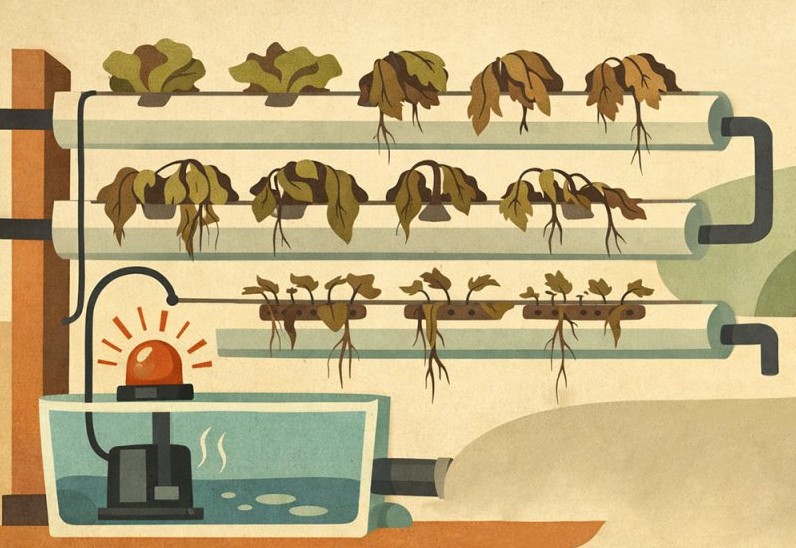
Pump failure = crop death within hours. Channels clog easily. pH drifts fast. Long channels starve plants at the end. Root pruning is constant work. It’s less forgiving than DWC.
NFT Failure Points
- Pump or power failure
- Channel blockages from roots
- pH/EC drift
- Nutrient depletion along long channels
- Algae in transparent parts
DIY Hybrid NFT Build with 15 Parts
Maintenance Schedule
Check flow daily. Measure pH/EC twice weekly. Clean channels monthly. Sanitize fully between crops. Replace filters quarterly. Test backups often.
Preventing Root Clogs and Algae Growth
Trim roots before they block drains. Keep channels opaque. Run hydrogen peroxide (3ml per gallon) in solution if algae appears.
Sensors and Automation Options
Basic kits include pH/EC/temp probes. Advanced builds add flow meters, DO sensors, and timers. A news -style dashboard can track it all. Just don’t overcomplicate early on.
Common Problems and Fixes
Troubleshooting Guide
- No flow: Check pump, unblock channels
- Yellow leaves: pH imbalance, adjust solution
- Roots dying: Increase oxygen or reduce temp
- Algae growth: Cover channels, reduce light
- Nutrient lockout: Flush system, restart
Applications: Home and Commercial Use
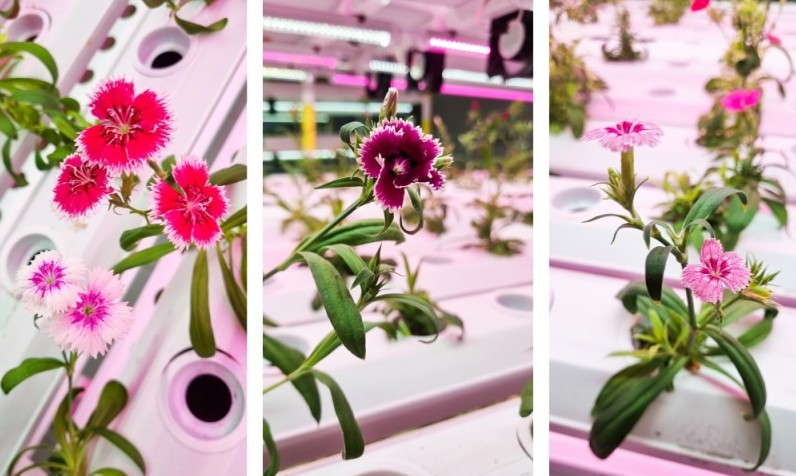
NFT scales from apartment windowsills to greenhouse rows. Commercial growers love the yield. Urban farmers stack channels vertically in tight spaces. It’s popular in rooftop gardens and education labs.


















Comments on “NFT Hydroponics: How It Works, How to Build It, and Pros and Cons”
No comments yet. Be the first to share your thoughts.